Desserts
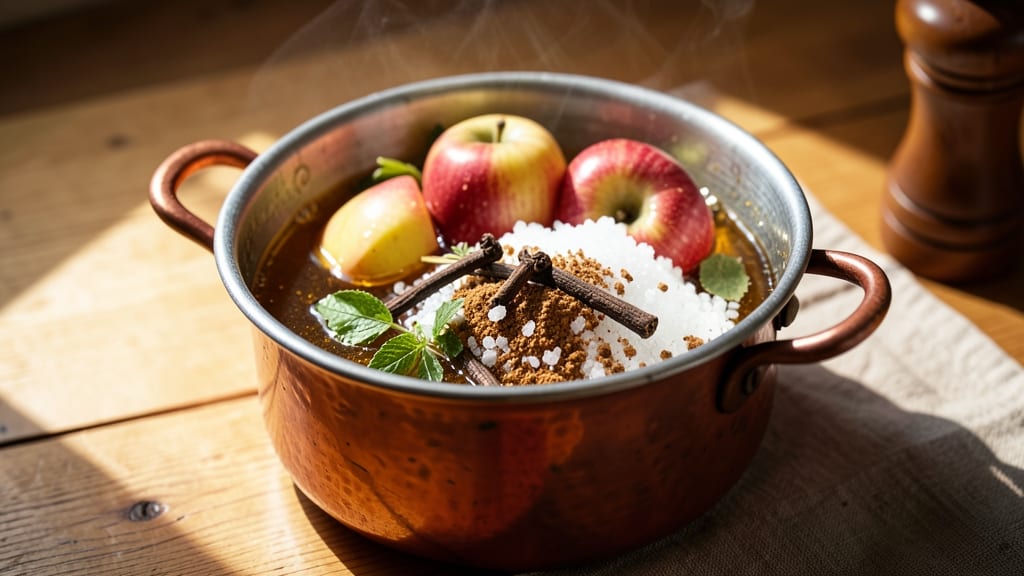
This small batch apple pie moonshine recipe transforms classic fall flavors into a bold homemade spirit that tastes like liquid nostalgia. 🍏 The process combines apple pie spices—cinnamon, nutmeg, and clove—with fermented apple mash for a smooth, aromatic liquor that’s perfect for sipping or gifting.
Every step is designed for safety and consistency, ensuring a quality batch without the complexity of large-scale production.
What makes this recipe special is the balance between tradition and approachability. You’ll work with a 5-gallon batch—small enough for home distillation but large enough to yield meaningful results.
The fermentation process takes about 2 weeks, while aging in oak barrels (or even glass bottles) adds depth and character over 2-3 months. Safety is paramount, so we’ll cover proper equipment, sanitation, and legal considerations to ensure a smooth, compliant process.
The final product delivers a rich, spiced apple flavor with a smooth, warming finish—like biting into a freshly baked pie but with the sophistication of a well-aged spirit. Whether you’re crafting for personal enjoyment or sharing with fellow enthusiasts, this recipe delivers a homemade liquor that rivals commercial brands.
The key lies in patience and precision, allowing the spices and apples to meld into a harmonious, boozy infusion.
Before you begin, note that laws vary by state and country regarding homemade spirits. Always research local regulations and ensure you’re in compliance. With the right precautions, this small batch apple pie moonshine becomes a rewarding project that celebrates the art of homemade distillation—one spiced sip at a time.
Ingredients for small batch apple pie moonshine
Five pounds of apples and a handful of spices create this rich, homemade apple pie moonshine.
| Ingredient | Amount | Notes |
|---|---|---|
| Fresh Apples (Granny Smith or Honeycrisp) 🍎 | 5 lb | Peeled, cored, chopped into small pieces |
| Granulated White Sugar 🍚 | 2 ½ lb | Non-iodized preferred for fermentation |
| Active Dry Yeast 🍞 | ¼ oz | Or 1 packet (2.25g) |
| Ground Cinnamon 🌿 | 1 tbsp | Ceylon preferred for authentic flavor |
| Ground Nutmeg 🌿 | ½ tsp | Freshly grated for optimal aroma |
| Whole Cloves 🌶️ | 8 whole | Lightly crushed for even infusion |
| Distilled Water 💧 | 4 gallons | Chlorine-free for fermentation |
| Lemon Juice (Fresh) 🍋 | ¼ cup | Acidification for yeast activation |
| Unsalted Butter 🧈 | ¼ cup | For mash enrichment (optional) |
| Cornmeal (For Straining) 🌾 | ½ cup | Fine grade for clear fermentation |
| Potassium Sorbate 🧪 | ½ tsp | Preservative for fermentation safety |
| Campden Tablets 💊 | 1 whole | Sulfite for sterilization (1/4 tsp) |
| Oak Chips (For Aging) 🌳 | 4 whole | Quartered for barrel substitute |
The apples are the foundation—Granny Smith or Honeycrisp deliver that perfect balance of tartness and sweetness. Local orchards or farmers markets often have the freshest varieties, but any crisp apple works in a pinch. For the spices, Penzeys Spices or bulk bins offer the highest quality ground cinnamon and nutmeg. Whole cloves should be lightly crushed to release their oils without overpowering the batch. The yeast is non-negotiable—Lallemand or Red Star brands are reliable for consistent fermentation. Remember, the mash should be sanitized at every stage to prevent contamination.
No Ceylon cinnamon? Regular ground cinnamon works fine, though it may have a slightly different profile. Running low on cloves? Allspice berries at half the amount provide a similar warmth. The optional butter adds richness, but vegetable oil at the same quantity works just as well. For the Campden tablets, one-quarter teaspoon of potassium metabisulfite can substitute if needed. The cornmeal isn't just for straining—it helps clarify the fermented liquid. If you're aging, charred oak chips from specialty liquor stores add authentic barrel notes without the expense.
Store your apples in the fridge until ready to use—they'll keep for up to 1 week. The yeast and spices should be kept in a cool, dark place, away from moisture. Once fermented, the moonshine can be aged in glass bottles for 2-3 months (oak chips included) or transferred to proper barrels for longer aging. Always use food-grade containers and maintain strict sanitation. The final product keeps indefinitely once properly bottled, but flavors continue evolving for up to 1 year.
Why You'll Love This Recipe
- No Yeast Hassle: I swear by this recipe—just toss in the yeast, sugar, and apples, then let it sit. No kneading, no waiting for dough to rise, just pure, effortless fermentation.
- Spiced Perfection: That first sip? Tart Granny Smith meets warm cinnamon and nutmeg—like biting into a pie but with a smooth, boozy finish. Honestly, the nutmeg makes it taste fancy without the effort.
- Weeknight Magic: Make a small batch on Sunday, then sip it all week. It’s my go-to for lazy afternoons or when I need a quick pick-me-up—no fancy occasions required.
- Budget-Friendly Batch: A single apple and a spoonful of sugar go a long way. This recipe stretches into multiple servings, so you’re not breaking the bank for a taste of autumn in a glass. (Yes, even on a Tuesday night.)
Step-by-step instructions for small batch apple pie moonshine
Here's the precise method for crafting a rich, spiced apple moonshine with professional fermentation techniques.
🍳 Step 1: Prepare the Apple Mash Base
Combine the 5 lb fresh apples (peeled, cored, and chopped) with the 4 gallons distilled water in a sanitized fermentation vessel. Bring to a boil over medium-high heat for 10 minutes to sterilize and extract flavors. Mash the apples thoroughly with a potato masher until you achieve a smooth, pulp-like consistency.
While still hot, stir in the 2.5 lb granulated white sugar and 0.25 cup lemon juice until completely dissolved. Remove from heat and let cool to 75-80°F—this temperature range is ideal for yeast activation. Here's the thing: the mash should smell intensely of apples and spices, not burnt or metallic. If it does, you'll need to adjust your heating method next time.
🔥 Step 2: Add Spices and Yeast Activation
Once the mash has cooled, whisk in the 1 tbsp ground cinnamon, 0.5 tsp ground nutmeg, and 8 lightly crushed whole cloves. Add the 0.25 oz active dry yeast and mix thoroughly. Cover the vessel with a clean cloth and let sit for 12-24 hours at room temperature until you see vigorous bubbling—this indicates active fermentation.
For optimal results, maintain the mash at 75-80°F during this period. If your kitchen is cooler, consider using a fermentation lock or placing the vessel in a warm spot. The mash should develop a slightly effervescent texture and a sweet, spicy aroma. This is when you know the yeast is working properly and the flavors are melding beautifully.
🥘 Step 3: Sterilize and Ferment the Wash
Dissolve the 1 Campden tablet in 1 cup cool distilled water and stir into the mash. This step is critical for preventing contamination. Add the 0.5 cup unsalted butter (optional but recommended for richness) and mix well. Cover with an airlock and ferment at 68-72°F for 5-7 days, until specific gravity drops to 1.000—this indicates the sugars have been mostly converted to alcohol.
During fermentation, you'll notice the mash will bubble vigorously at first, then settle into a steady stream of bubbles through the airlock. This is normal and shows the yeast is actively working. Taste the mash occasionally—it should develop a sweet, apple-cider-like flavor with hints of cinnamon and nutmeg. If it tastes overly sour or harsh, fermentation may need to be halted sooner.
🔪 Step 4: Strain and Age the Moonshine
Line a fine-mesh strainer with the 0.5 cup cornmeal and strain the fermented mash through it into a sanitized glass carboy. The cornmeal helps clarify the liquid by absorbing impurities. Add 0.5 tsp potassium sorbate to stop fermentation and preserve the moonshine. Seal the carboy and store in a dark, cool place for 4-6 weeks, adding the 4 quartered oak chips during the first week to impart subtle barrel-like flavors.
The oak chips will infuse the moonshine with vanilla and spice notes over time. Shake the carboy gently every few days to redistribute the oak chips and ensure even infusion. After aging, strain the liquid through a coffee filter to remove any remaining oak particles. The final product should have a rich amber color and a complex flavor profile of apple, cinnamon, nutmeg, and a smooth alcohol warmth.
⏰ Step 5: Bottle and Enjoy Responsibly
Transfer the aged moonshine to sanitized glass bottles, leaving about 1 inch of headspace to allow for expansion. Seal tightly and store in a cool, dark place. The moonshine will continue to mellow and improve with additional aging, but it's ready to drink after 2-4 weeks of bottle conditioning. Each bottle should yield approximately 16 ounces of finished product.
Serve chilled or at room temperature, ideally in small sips to fully appreciate the apple pie spice infusion. The alcohol content will typically range between 15-20% ABV, depending on fermentation efficiency. Remember, homemade spirits should always be enjoyed responsibly and in moderation. This small batch yields about 5 servings—perfect for sharing with trusted friends who appreciate craft spirits.
Pro Tips For Making Small Batch Apple Pie Moonshine
- Peel Apples Just Before Mixing: The starch in apple peels can make your moonshine taste dull and gummy—trust me, I learned this after a batch that tasted like sad applesauce. Use a paring knife to peel them fresh, then toss the peels in a bowl of lemon water to keep them bright while you prep the rest.
- Use Warm (Not Hot) Liquid for Yeast: I used to dump boiling water on my yeast like it was a science experiment, and it always fizzed out before it even got started. Instead, use liquid that’s about 105–110°F—warm to the touch but not scalding. If you’re eyeballing it, it should feel like a cozy bath, not a sauna.
- Skip the Overmixing: Once you add the yeast and sugar, stir just until the yeast dissolves—about 10 seconds. Overmixing introduces too much oxygen, which can make your moonshine taste flat or even develop off flavors over time. Let the yeast do its thing without turning it into a workout.
- Add Spices Last, Then Chill Fast: Ground cinnamon and nutmeg lose their punch if they sit in liquid too long, so sprinkle them in right before sealing your jar. Then, pop the whole thing in the fridge for at least 4 hours (or overnight) to slow the yeast and let the flavors meld—no waiting around for it to ferment at room temp like a science project.
Serving suggestions for this dish
Garnish & Presentation
Elevate your moonshine presentation with a cinnamon stick garnish—simply drop one into each glass before serving. The aroma alone enhances the apple pie experience. For a festive touch, add a thin apple slice on the rim or a star anise pod floating in the glass.
I love using amber glass decanters to highlight the rich amber color of the aged moonshine. 🍏
Serving Glassware
Serve in small snifter glasses (6-8 oz) to concentrate the aromatic flavors. These glasses help trap the spiced apple essence, making each sip more intense. Avoid large rocks glasses—they dilute the moonshine's complexity.
For a rustic touch, try vintage apothecary bottles with cork stoppers, which add to the homemade charm. Always pre-chill glasses in the freezer for 10-15 minutes before pouring.
Temperature Matters
Serve your moonshine chilled to 50-55°F for the best experience—this enhances the apple and spice notes without numbing the palate. Use an ice bucket with water (not ice cubes) to cool bottles gradually.
For room temperature sipping, let bottles sit at room temp for 30 minutes before pouring. The warmth brings out deeper caramel and vanilla undertones from the aging process. 🌡️
Pairing with Food
Pair your moonshine with warm apple crisp or pecan pie to amplify the spiced apple flavors. The residual sugar in the dessert balances the alcohol's bite. For savory pairings, try sharp cheddar cheese or smoked salmon—the saltiness contrasts beautifully.
I also love serving it with dark chocolate truffles (70% cocoa) to highlight the moonshine's complexity. 🍫
Cocktail Creativity
Turn your moonshine into a cocktail by mixing 1.5 oz moonshine with 3 oz apple cider and a splash of ginger beer. Garnish with a cinnamon sugar rim for a festive drink.
For a non-alcoholic version, replace the moonshine with sparkling apple juice. This works perfectly for holiday gatherings where you want to share the apple pie theme without alcohol. 🍹
Gifting with Style
Present your moonshine in miniature bottles (3-4 oz) for elegant gifts. Use personalized labels with the batch date and flavor profile. Include a small spoonful of apple pie spice blend as a bonus.
For a rustic touch, wrap bottles in burlap twine with a wooden tag. Store bottles in a cool, dark place until ready to gift—flavors continue evolving for up to 6 months post-bottling. ✨
Nutrition facts
Frequently asked questions
Can I use store-bought apple cider instead of fresh apples?
While you can substitute unpasteurized apple cider (about 4 gallons), fresh apples yield better flavor and texture. The skins and cores contain natural enzymes that enhance fermentation. If using cider, reduce sugar to 1.5 lb since it already contains some natural sweetness. Always use organic, unpasteurized cider to avoid additives that can inhibit yeast activity.
How do I know when the fermentation is complete?
Fermentation is done when the specific gravity reaches 1.000 (use a hydrometer) and the mash smells clean with no sweetness remaining. You'll also see minimal bubbles through the airlock (1-2 per minute). Taste-testing is key—it should have a tangy, spiced apple flavor without lingering sweetness. If it's still sweet after 7 days, add more yeast or extend fermentation.
What's the best way to distill small batches safely?
Use a pot still with a 5-gallon capacity for this batch size. Never distill above 190°F—higher temps create toxic methanol. Cool the condenser with cold water and never exceed 20% ABV in the final product. Always work in a well-ventilated area with a carbon filter to remove fumes. For legal compliance, check your state's TTB regulations—some allow personal use distillation while others require commercial licenses.
Can I adjust the spice levels for a milder flavor?
Yes! Reduce cinnamon to 0.5 tsp and nutmeg to 0.25 tsp for a subtler profile. Skip the cloves entirely if you prefer a cleaner apple taste. For extra warmth without spice, add 1 tsp vanilla extract during aging. Remember that spices infuse more during the 4-6 week aging period, so taste periodically and adjust if needed. The oak chips will add natural vanilla notes without additional spices.
How long will my finished moonshine last?
Properly bottled moonshine lasts indefinitely in a cool, dark place, but flavors peak after 6-12 months of aging. The alcohol content (15-20% ABV) acts as a natural preservative. For best quality, consume within 2 years. If you notice off flavors (vinegar-like smells or cloudiness), discard it—this indicates contamination. Always use food-grade bottles with airtight seals to prevent oxidation.