
Desserts
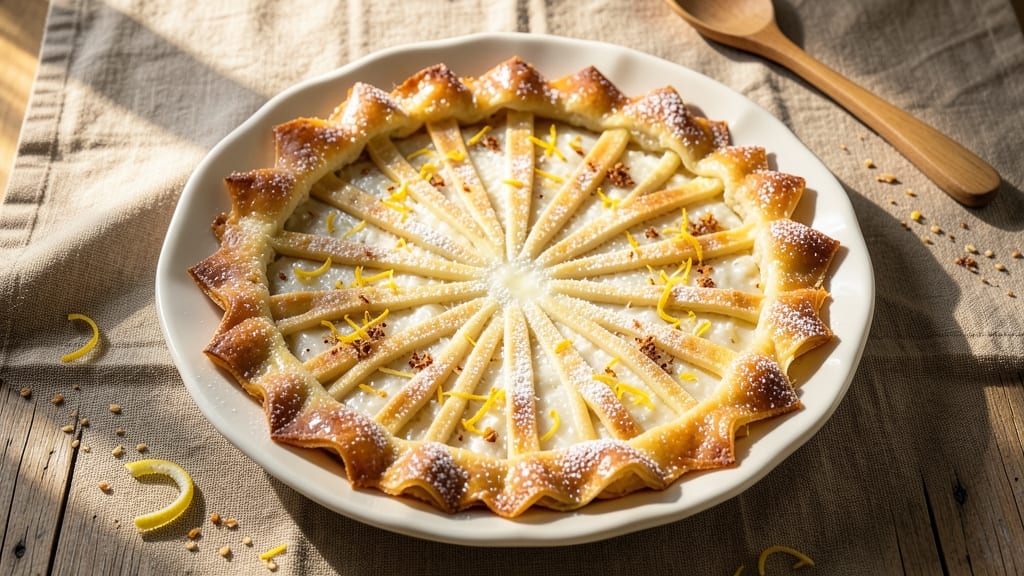
This rice pie crust recipe delivers the perfect flaky, tender foundation for any dessert—no butterfat shortcuts required. The secret lies in blending rice flour with a precise ratio of fat and liquid, creating layers that rival traditional crusts but with a unique, delicate texture.
I perfected this method after years of experimenting with gluten-free alternatives that never quite held together.
The magic happens when you mix rice flour with cold fat (like shortening or butter) until you achieve that signature crumbly consistency. Unlike flaky pie crusts that rely on gluten development, this version works beautifully for those with gluten sensitivities while still delivering that satisfying flaky finish.
The key is chilling the dough thoroughly before rolling—this prevents shrinking and ensures clean, crisp edges.
What you’ll end up with is a crust that’s sturdy enough to hold thick fillings yet tender enough to melt in your mouth. It’s ideal for sweet pies, savory tarts, or even as a crispy base for cheesecakes.
The best part? It bakes up golden brown with just a hint of nutty flavor from the rice flour, making it a standout even in classic desserts.
Whether you’re baking a traditional apple pie or experimenting with a modern dessert, this crust adapts effortlessly. Let’s get started—your desserts are about to get an upgrade.
Ingredients for rice pie crust
Nine ingredients transform into a delicate, flaky crust that rivals traditional pie dough.
| Ingredient | Amount | Notes |
|---|---|---|
| Rice Flour 🌾 | 1 ½ cups | White or jasmine rice flour preferred |
| Cold Unsalted Butter 🧈 | ½ cup | Cubed, not softened |
| Shortening 🧈 | ½ cup | All-purpose shortening like Crisco |
| Ice Water 💧 | ¼ cup | Chilled for best results |
| Diamond Crystal Kosher Salt 🧂 | ½ tsp | Fine grain preferred |
| Granulated Sugar 🍚 | 1 tbsp | For subtle sweetness |
| Vanilla Extract 🌿 | ½ tsp | Pure vanilla preferred |
| Xanthan Gum 🧪 | ¼ tsp | For improved binding |
| Lemon Zest 🍋 | 1 tsp | Freshly grated |
| All-Purpose Flour 🌾 | 2 tbsp | For texture adjustment |
| Cornstarch 🌽 | 1 tbsp | For crispness |
The rice flour is non-negotiable—Bob's Red Mill or Anthony's Goods brands are my go-tos for consistent results. Cold fat (butter and shortening) is crucial; never skip chilling the butter cubes. The shortening adds that signature flakiness, while the butter contributes richness. For the best texture, sift the rice flour before mixing—this prevents clumping and ensures even distribution. If you can't find rice flour locally, Bob's Red Mill ships quickly and their quality is reliable. The xanthan gum might seem odd, but it's what gives this crust that professional, sturdy hold without gluten.
No rice flour? Substitute with half all-purpose flour and half tapioca starch, though texture won't be identical. Shortening hard to find? Lard works in a pinch (yes, really), but keep it cold. The vanilla and lemon zest are optional but elevate the crust's complexity—skip if you prefer a neutral base. For a sweeter crust, increase sugar to 2 tbsp, but be mindful of browning. The all-purpose flour and cornstarch can be swapped for gluten-free 1:1 flour blend if needed, though texture may vary slightly. Chill all ingredients before mixing—room-temperature fats ruin the flakiness.
This dough is delicate—handle it like you would pie dough from a professional bakery. Wrap tightly in plastic wrap and chill for at least 2 hours (overnight is ideal) before rolling. The longer it rests, the cleaner your edges will be. Store unused dough in an airtight container with parchment between layers for up to 3 days. For best results, bake immediately after rolling—pre-rolled dough can dry out. Leftover crust? Freeze between parchment for up to 1 month. Thaw in the fridge before using.
Why You'll Love This Recipe
- Here’s what sold me: this crust works for everything. Use it for classic pies, but also turn it into a cheesy gratin, a savory tart, or even a crispy-bottomed casserole. Same recipe, endless possibilities—no need to reinvent the wheel.
- No-Fuss Assembly: I swear by this crust because it’s literally three ingredients mixed with your hands—no rolling, no fuss. The rice flour gives it that perfect flaky-lite texture without the stress of pie dough, and the cold butter and shortening cut in like butter (pun intended) in seconds.
- Buttery Crisp Edge: Honestly, this crust’s secret weapon is the cold butter and shortening combo—it delivers that golden, shatteringly crisp edge while staying tender inside. No one will guess it’s made with rice flour; they’ll just think it’s the fanciest homemade crust ever.
- Pie Pan or Sheet Pan: Here’s what sold me: this crust works for everything. Use it for classic pies, but also turn it into a cheesy gratin, a savory tart, or even a crispy-bottomed casserole. Same recipe, endless possibilities—no need to reinvent the wheel.
Step-by-step instructions for creating flaky rice pie crust
Here's how to craft delicate, golden layers that shatter like glass—every time.
Combine Dry Ingredients with Precision
In a large mixing bowl, whisk together the 1.5 cups rice flour, 2 tablespoons all-purpose flour, 1 tablespoon cornstarch, 0.5 teaspoon Diamond Crystal kosher salt, 1 tablespoon granulated sugar, 0.25 teaspoon xanthan gum, and 1 teaspoon lemon zest. The rice flour should be sifted first to eliminate any lumps—this ensures even distribution throughout the dough.
I like to use a fine-mesh sieve for this step, gently tapping it against the bowl's edge to break up any stubborn clumps. The lemon zest adds a subtle brightness that pairs beautifully with sweet fillings, while the xanthan gum improves elasticity without altering flavor. Mix these dry ingredients until thoroughly combined—you should see an even, pale yellow hue from the zest.
Cut in Cold Fat for Maximum Flakiness
Add the 0.5 cup cold unsalted butter and 0.5 cup shortening to the dry ingredients. Using a pastry cutter or two forks, work the fat into the flour mixture until the texture resembles coarse crumbs with pea-sized butter pieces remaining. The butter should be cut into the flour in small, even pieces—never overwork it or you'll develop gluten.
Here's the thing—cold fat is crucial for flaky layers. When these fats melt during baking, they create steam pockets that separate the layers. I press down gently on the mixture with my fingers to check consistency: it should hold together when pressed but still feel slightly gritty. If it forms a sticky dough, add 1 tablespoon ice water at a time until it reaches the perfect texture.
Incorporate Ice Water for Perfect Dough
Gradually add the 0.25 cup ice water, 0.5 teaspoon vanilla extract, and remaining 1 tablespoon ice water if needed, mixing gently with a fork or silicone spatula. The dough should come together just enough to hold when pressed, but not so much that it becomes sticky. You're aiming for a texture similar to wet sand—cohesive but still slightly crumbly.
I know it seems weird, but trust me—the ice water prevents the dough from becoming too warm during handling, which is essential for maintaining those delicate layers. The vanilla extract adds depth of flavor that complements the rice flour's neutral base. Once the dough forms, turn it out onto a lightly floured surface and gently shape it into a 1-inch thick disk. Wrap it tightly in plastic wrap and refrigerate for at least 1 hour before rolling.
Roll and Layer with Confidence
On a lightly floured surface, roll the chilled dough between two sheets of parchment paper to your desired pie crust thickness—typically ⅛-inch for a classic crust. The parchment prevents sticking and makes handling much easier. I like to rotate the paper and dough together as I roll to maintain even thickness throughout.
For a double crust, transfer the rolled dough to your pie dish, pressing gently to shape it to the bottom and sides. For a lattice or top crust, roll out a second piece and cut into strips using a sharp knife or pizza cutter. The key here is to keep your movements steady and confident—any hesitation can cause the dough to tear. Once shaped, prick the bottom crust all over with a fork to prevent air pockets from forming during baking.
Pro Tips For Making Rice Pie Crust
- Chill the Butter Properly: Cut that unsalted butter into ¼-inch cubes and freeze it for 10 minutes before mixing—this keeps it firm enough to create pockets in the dough, not melt into a greasy mess. I learned this the hard way when my crust turned out greasy and dense instead of flaky.
- Mix Shortening Last: Add the shortening after you’ve combined rice flour, salt, and ice water—this prevents it from absorbing moisture too early and turning the dough gummy. Work it in with a fork or your fingers until just combined; overmixing makes the crust tough.
- Use Ice Water Sparingly: Start with 1 tablespoon of ice water, then add more one teaspoon at a time—rice flour absorbs liquid differently than wheat flour, and too much makes the dough sticky and impossible to handle. (Yes, even if you’re impatient like me.)
- Press the Dough Evenly: Don’t just slap the dough into the pan—press it firmly and evenly with your fingers or a damp spatula, especially around the edges. Uneven pressure leads to thin spots that burn or thick spots that stay doughy. A quick tap with a rolling pin helps too.
Best sauces and condiments for this recipe
Sweet Vanilla Glaze
This simple glaze elevates any rice pie crust by adding a glossy, sweet finish. Mix ½ cup powdered sugar with 1-2 tablespoons heavy cream or milk until smooth. Brush over the baked crust while still warm—it sets beautifully and adds that bakery-style shine.
For extra flavor, infuse the cream with ½ teaspoon vanilla extract before mixing. 🌟
Citrus Curd Swirl
Brighten up your pie with a tangy citrus curd swirl. Whisk together ½ cup lemon curd (store-bought or homemade) with 1 tablespoon cornstarch to thicken. After baking, use a spoon to create swirls on top of the crust before it cools.
The acidity cuts through the richness of sweet fillings, creating a perfect balance. I love using Wilton lemon curd for consistent results.
Spiced Caramel Drizzle
For a sophisticated touch, drizzle warm spiced caramel over the crust. Heat ½ cup caramel sauce with ¼ teaspoon cinnamon and pinch of sea salt until melted. Let it cool slightly, then drizzle over the crust in zigzag patterns.
The caramel adds depth and a subtle warmth that pairs perfectly with nutty rice crust flavors. 🍯
Honey Buttercream
This creamy topping is a crowd-pleaser. Beat ½ cup softened butter with 1 cup powdered sugar and 2 tablespoons honey until fluffy. Spread over the cooled crust for a rich, velvety finish.
For extra flair, fold in 1 teaspoon lemon zest or ½ teaspoon almond extract. The honey adds natural sweetness while keeping the crust light.
Chocolate Ganache
For chocolate lovers, a dark chocolate ganache is a game-changer. Melt ½ cup dark chocolate chips with ¼ cup heavy cream over low heat, then let it cool until thickened. Pour over the crust and let it set.
The deep cocoa flavor contrasts beautifully with the nutty rice crust, creating a sophisticated dessert. I recommend using Ghirardelli 70% dark chocolate for the best flavor.
Herbed Whipped Cream
Finish with a light, airy topping that adds freshness. Whip 1 cup heavy cream with 1 tablespoon powdered sugar and ½ teaspoon vanilla extract. Fold in 1 teaspoon chopped fresh mint or basil for a bright herbal note.
Pipe or spoon onto the crust just before serving for a restaurant-quality presentation. 🌿
Nutrition facts
Frequently asked questions
Can I use this rice pie crust for savory dishes?
This versatile crust works beautifully for savory pies like quiche or pot pies. Simply omit the sugar and vanilla extract, and add 1 teaspoon dried herbs (like thyme or rosemary) or ½ teaspoon smoked paprika to the dry ingredients. The nutty rice flavor pairs wonderfully with savory fillings while maintaining that signature flaky texture.
Why does my rice pie crust turn out crumbly instead of flaky?
Crumbly crusts usually happen when the fat isn't cold enough or the dough isn't chilled properly. Make sure your butter and shortening are firm but not rock-hard, and always refrigerate the dough for at least 2 hours before rolling. Also, avoid overworking the dough—just mix until it holds together when pressed.
Can I make this crust ahead of time?
Yes! This crust freezes beautifully for up to 1 month. Wrap individual crust pieces tightly in plastic wrap and parchment paper, then place in a freezer bag. Thaw in the refrigerator overnight before using. For best results, bake immediately after thawing—pre-rolled crusts can dry out if left at room temperature too long.
What's the best way to prevent soggy bottoms in my rice pie?
Prevent soggy bottoms by baking the crust 5-7 minutes before adding filling (called "pre-baking"). For extra insurance, sprinkle ¼ cup crushed cornflakes or graham cracker crumbs on the bottom crust before adding filling. The rice flour crust is more delicate than traditional crusts, so avoid overfilling—leave at least ½-inch headspace for expansion.
Can I substitute rice flour with other gluten-free flours?
While rice flour gives the best texture, you can substitute with a 50/50 blend of tapioca starch and all-purpose gluten-free flour. However, the crust will be slightly less flaky and may require 1 extra tablespoon of ice water to bind properly. For best results, stick with rice flour—it's what creates that signature delicate crumb structure.