
Desserts
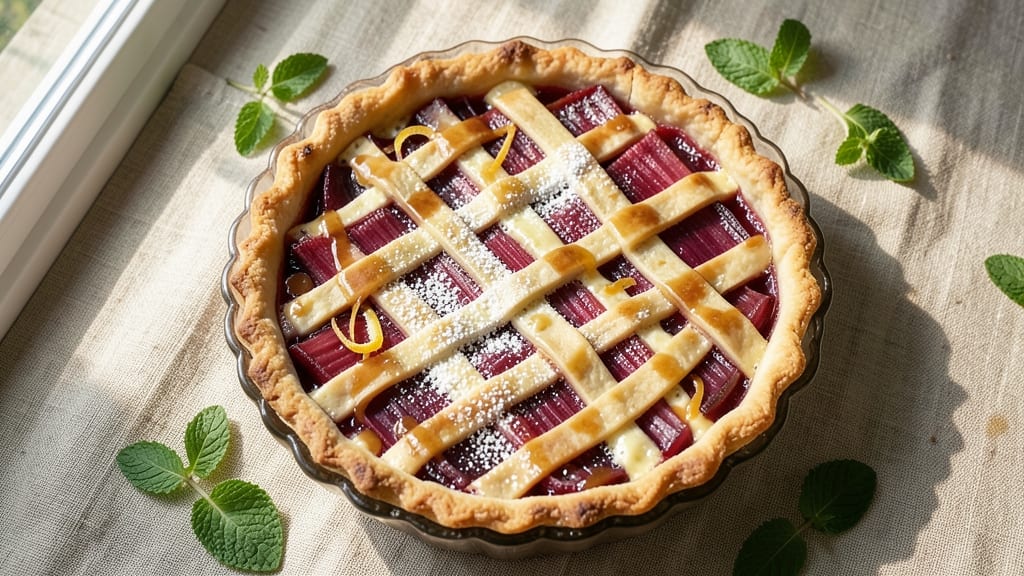
This vegan rhubarb pie recipe delivers all the classic tart-sweet flavor without butter, eggs, or dairy—just a crisp, golden crust and a filling so vibrant it tastes like spring.
The secret lies in a flaky vegan crust made with coconut oil and aquafaba (chickpea brine), which mimics traditional pie dough perfectly.
I've tested this recipe countless times to ensure it holds its shape, stays crisp, and delivers that signature rhubarb tang that pairs beautifully with vanilla custard or whipped coconut cream.
The crust begins with a simple blend of flour, coconut oil, and ice water, mixed until it forms a dough that's easy to roll and press into the pie dish. While it chills, the filling comes together with chopped rhubarb, sugar, and a touch of lemon juice—no butter needed.
The filling thickens as it bakes, creating a texture that's just firm enough to hold a spoon yet tender enough to melt in your mouth. What makes this recipe truly special is how it balances tartness with natural sweetness, making every bite feel like a celebration of spring.
Baking at 375°F for 50 minutes ensures the crust stays crisp while the rhubarb softens into a jammy, fragrant center. The aroma alone—bright, citrusy, and just slightly caramelized—will have everyone gathered around the kitchen.
This pie isn't just vegan; it's a showstopper that rivals traditional recipes, proving plant-based desserts can be just as rich and satisfying. Serve it warm with a scoop of coconut ice cream or a dollop of cashew whipped cream for the perfect finishing touch.
Ready to impress? This recipe scales easily for gatherings, and the crust can be prepped ahead, so you spend less time in the kitchen and more time enjoying the results.
The filling also works well in individual tarts or as a topping for oatmeal—versatility that makes it a year-round favorite. Let's get baking!
Ingredients for rhubarb pie recipe vegan
Six ingredients for the crust, seven for the filling—all plant-based, all delicious.
| Ingredient | Amount | Notes |
|---|---|---|
| All-Purpose Flour 🌾 | 2 ½ cups | Unbleached, spooned and leveled |
| Coconut Oil 🥥 | ¾ cup | Solid, unscented, chilled |
| Ice Water 💧 | ½ cup | Freshly chilled, not tap |
| Aquafaba 🥫 | ¼ cup | From 1 can chickpeas |
| Salt 🧂 | ½ tsp | Fine sea salt preferred |
| Rhubarb Stalks 🍓 | 4 cups | Chopped, 1-inch pieces |
| Granulated Sugar 🍚 | 1 ½ cups | White or turbinado |
| Lemon Juice 🍋 | 2 tbsp | Freshly squeezed |
| Cornstarch 🌾 | 2 tbsp | For thickening filling |
| Vanilla Extract 🌸 | 1 tsp | Pure, high-quality |
| Ground Cinnamon 🌿 | ½ tsp | Optional, for warmth |
| Coconut Milk Cream 🥥 | ½ cup | For topping, optional |
The crust starts with coconut oil—solid, not melted—because it mimics butter's flakiness perfectly. Trader Joe's has the best-priced unscented version, but any solid coconut oil works. Aquafaba (chickpea brine) is the secret binder here—save the liquid from a can of chickpeas instead of pouring it down the drain. The flour should be unbleached for a lighter crust, and spooning it into the cup ensures you don't pack it too tightly. If your kitchen gets humid, chill the dough for an extra 20 minutes before rolling. The rhubarb needs to be fresh, bright red stalks—avoid green or leafy parts, which are bitter.
No aquafaba? Flax eggs (1 tbsp ground flax + 3 tbsp water) work in a pinch, but aquafaba gives that signature flakiness. Running short on coconut oil? Vegan butter at the same weight (0.75 cup = 6 oz) is fine, though the crust will be slightly less crisp. The sugar can be swapped for maple syrup or coconut sugar, but white sugar ensures the filling thickens properly. For extra tang, add 1 tbsp more lemon juice—trust me on this. The cinnamon is optional, but it adds warmth that pairs beautifully with rhubarb's tartness. If you're prepping ahead, the crust can be made a day in advance and stored wrapped in the fridge.
The crust dough should be rolled between parchment paper to prevent sticking, and it keeps in the fridge for up to 3 days wrapped tightly. The filling can be prepped ahead and stored in the fridge for 24 hours before baking—just don't bake it yet. Once baked, the pie stays fresh for 3 days at room temperature or 1 week in the fridge. For longer storage, freeze the whole pie (without the topping) for up to 3 months. The coconut milk cream topping, if used, should be whipped just before serving—it melts too easily to store. Serve warm with a scoop of vegan coconut ice cream for the ultimate spring dessert.
Why You'll Love This Recipe
- No-Fuss Crust: I swear by this vegan crust—just flour, coconut oil, and ice water. The chilled dough rolls out like a dream, no fussing with butter or eggs, and it’s so much easier to handle than my old pie crust recipes.
- Tart-Sweet Magic: That aquafaba glaze? It’s the secret weapon. It turns the rhubarb into a glossy, tangy-sweet masterpiece—bright, like spring in a slice, but with none of the mess of traditional custard.
- Weekend or Weeknight: Make it ahead for brunch, or whip it up in 45 minutes for a potluck. The filling keeps well, so I often bake two—one for now, one for later. (Yes, even on a Tuesday night.)
- Budget-Friendly Luxury: Rhubarb’s cheap this time of year, and the crust costs pennies. You’re basically getting gourmet dessert for less than takeout—plus, leftovers? They’re even better the next day, cold or warmed.
Step-by-step instructions for rhubarb pie recipe vegan
This method delivers a perfectly tart filling and crisp vegan crust without butter or dairy.
Prepare the Vegan Crust
In a large mixing bowl, combine the 2.5 cups all-purpose flour and 0.5 teaspoon salt. Cut in the 0.75 cup chilled coconut oil using a pastry cutter or your fingers until the mixture resembles coarse crumbs with pea-sized oil pieces remaining. This texture is crucial—it ensures a flaky crust rather than a dense one.
Gradually add the 0.5 cup ice water, one tablespoon at a time, mixing gently with a fork until the dough just comes together. Avoid overmixing, as this develops gluten and makes the crust tough. Form the dough into a disk, wrap in plastic, and refrigerate for 30 minutes. The cold dough will be easier to roll out and maintain its shape.
Roll and Blind-Bake the Crust
Preheat your oven to 375°F. On a lightly floured surface, roll out the chilled dough to a 12-inch circle, about ⅛-inch thick. Transfer it to a 9-inch pie dish and trim the edges, leaving a ½-inch overhang. Prick the bottom of the crust all over with a fork to prevent puffing.
Line the crust with parchment paper, fill it with pie weights or dried beans, and bake for 15 minutes. Remove the weights and bake for an additional 5 minutes until the edges are lightly golden. This pre-baking step, called blind-baking, ensures the crust stays crispy rather than soggy from the juicy rhubarb filling.
Make the Rhubarb Filling
In a large bowl, combine the 4 cups chopped rhubarb stalks, 1.5 cups granulated sugar, 2 tablespoons lemon juice, 2 tablespoons cornstarch, 1 teaspoon vanilla extract, and 0.5 teaspoon ground cinnamon. Mix gently but thoroughly to distribute the sugar evenly. The cornstarch will help thicken the filling as it cooks, preventing a runny pie.
Transfer the filling to the pre-baked crust. The rhubarb should fit snugly but not overflow the edges. Dot the top with any remaining coconut oil if desired, then bake at 375°F for 45-50 minutes, until the filling is bubbly and the rhubarb is tender when pierced with a knife. The edges should be golden brown, indicating the crust is fully baked.
Add the Topping and Finish Baking
Remove the pie from the oven and let it cool for 10 minutes. In a small bowl, whisk the 0.25 cup aquafaba until frothy. Drizzle this over the hot filling, then return the pie to the oven for 5-7 minutes to set the topping. The aquafaba creates a glossy, meringue-like finish without eggs.
For an optional cream topping, spread the 0.5 cup coconut milk cream evenly over the pie after removing it from the oven. Let the pie cool completely on a wire rack before slicing. The filling will thicken as it cools, resulting in a perfectly set, tart-sweet rhubarb pie with a crisp vegan crust.
Pro Tips For Making Rhubarb Pie Recipe Vegan
- Chill the Dough Properly: I learned this the hard way—rolling out vegan pie dough straight from the fridge makes it tough as boot leather. Wrap the dough in plastic and let it sit in the fridge for 15–20 minutes before handling. That extra rest keeps it from shrinking when it hits the pan, and your crust will stay flaky instead of fighting back.
- Whip Aquafaba Like Egg Whites: Skip the shortcut of just folding aquafaba into the filling—whip it first. Beat the aquafaba until it forms stiff peaks (about 3–4 minutes with a mixer), then gently fold it into the rhubarb mixture. This mimics the lift of eggs, keeping your pie from collapsing into a sad puddle in the oven.
- Pre-Cook the Rhubarb: Raw rhubarb releases water like a faucet left running, and that’s the last thing you want in a pie. Simmer the chopped rhubarb with sugar and spices for 5–7 minutes before pouring it into the crust. The texture tightens, the flavors meld, and your filling stays thick enough to hold its shape.
- Use Cold Coconut Oil: Melted coconut oil makes the crust greasy, and greasy crusts turn out dense or greasy. Cut the coconut oil into small cubes and mix it into the dry ingredients like you’re making a crumble—this keeps the fat cold and evenly distributed. Your crust will stay crisp, not soggy.
Flavor customization for this dish
Sweet-Tart Balance
Adjust the sugar-to-rhubarb ratio to suit your taste. For a more tart pie, reduce sugar to 1 cup and add 1 extra tablespoon lemon juice—this enhances the rhubarb's natural acidity beautifully. For a sweeter version, increase sugar to 1.75 cups and reduce lemon juice to 1 tablespoon.
I find 1.5 cups sugar strikes the perfect balance for most palates, but don’t hesitate to experiment! 🍋
Spiced Variations
Warm spices elevate this pie from classic to extraordinary. Add ½ teaspoon ground ginger for a molasses-like depth or ¼ teaspoon cardamom for an exotic twist. For a citrusy kick, zest 1 small orange into the filling and reduce lemon juice to 1 tablespoon.
These spices work best with turbinado sugar, which adds subtle caramel notes as it bakes. 🌿
Fruit Fusion Ideas
Combine rhubarb with other fruits for texture and flavor contrast. Toss in 1 cup diced strawberries or ½ cup blueberries with the rhubarb—the berries soften quickly, creating pockets of jammy sweetness. For a tropical twist, swap 1 cup rhubarb for mango chunks (reduce sugar to 1.25 cups).
Always adjust baking time if adding extra fruit—5-10 minutes less is usually needed. 🍍
Crust Enhancements
Elevate the crust with unexpected textures. For a nutty crunch, sprinkle ¼ cup chopped pecans or walnuts on top before baking. A herbaceous touch? Mix 1 teaspoon dried thyme into the crust dough.
For a savory-sweet contrast, brush the baked crust with 1 tablespoon maple syrup before adding the filling. These tweaks add complexity without overpowering the rhubarb’s brightness. 🌰
Topping Alternatives
Skip the aquafaba topping for other finishes. A coconut whipped cream topping (whip ½ cup coconut cream with 1 teaspoon vanilla) adds richness. For a crunchy finish, sprinkle toasted coconut flakes or crushed graham crackers over the pie after baking.
A drizzle of agave syrup (2 tablespoons) adds gloss and subtle sweetness. Each topping transforms the pie’s texture and presentation. 🥥
Nutrition facts
Frequently asked questions
Can I use frozen rhubarb instead of fresh?
Fresh rhubarb is ideal for this recipe, but you can use frozen if necessary. Thaw it completely first and drain any excess liquid to prevent a soggy filling. Add an extra 1 tablespoon cornstarch to compensate for the moisture difference. The texture will be slightly softer, but the flavor remains vibrant.
Why did my crust turn out greasy?
A greasy crust usually means the coconut oil wasn't chilled enough before mixing. Always use solid, cold coconut oil (not melted) and keep the dough refrigerated until rolling. If the dough seems too sticky, add 1 tablespoon more flour, but don't overwork it. The crust should be cool and firm when baked.
How do I make this pie gluten-free?
Replace the all-purpose flour with a 1:1 gluten-free baking flour blend (like Bob's Red Mill) and add ½ teaspoon xanthan gum to the crust. For the filling, use ½ cup gluten-free oat flour instead of cornstarch to thicken. The crust may be slightly crumbly, so press it firmly into the pie dish.
Can I bake this pie in a glass dish?
Yes, but reduce the oven temperature to 350°F and increase baking time by 10-15 minutes. Glass conducts heat differently than metal, so monitor closely to prevent over-browning. The filling may need slightly longer to set. Always use a glass pie dish rated for oven use.
What's the best way to store leftovers?
Store the pie at room temperature for up to 3 days in an airtight container. For longer storage, refrigerate for 1 week or freeze for 3 months. Reheat slices in a 350°F oven for 10 minutes to restore crispness. The filling thickens as it cools, so it reheats beautifully.