
Main Courses
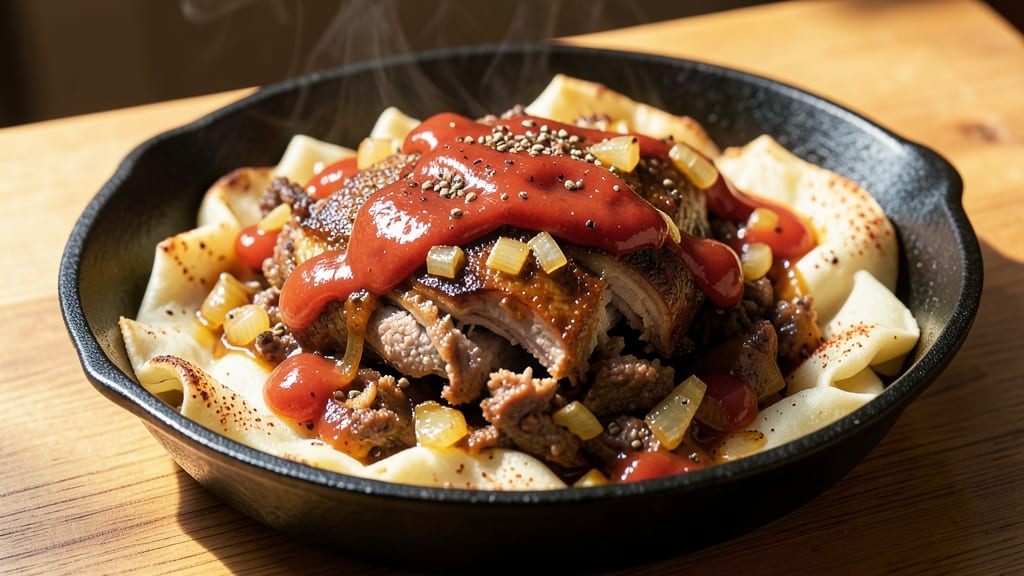
This pork tamale pie recipe transforms traditional tamale flavors into a showstopping foil-sealed casserole that's perfect for gatherings. After years of perfecting it in my Atlanta kitchen, I've cracked the code for tender pork, smoky spices, and a crispy crust that holds every bite together.
The secret? A slow-braised pork filling layered with tamale dough and sealed in foil before baking—creating a dish that's both nostalgic and impressive.
What makes this recipe special is the balance of textures and flavors: tender, shredded pork infused with cumin and smoked paprika, wrapped in a flaky tamale dough that absorbs all the juices, then topped with a golden crust.
I use a foil-sealed technique to trap steam and create that signature tamale texture while keeping the crust crispy. It's the kind of dish that feeds a crowd but still feels like a cozy family meal.
The filling starts with pork shoulder braised until fall-apart tender, then mixed with a blend of spices that gives it that unmistakable smoky depth.
The tamale dough—made with lard, flour, and baking powder—gets folded into a pie crust before baking, creating a dish that's as satisfying to eat as it is to serve. This is comfort food at its finest, with layers of flavor in every bite.
Perfect for holidays, game days, or when you want to impress guests without spending hours in the kitchen. The foil-sealed crust stays crispy while the filling remains juicy and flavorful—just like your abuela used to make, but with a modern twist. Let's get cooking!
Ingredients for pork tamale pie
Sixteen ingredients for a dish that tastes like homecoming—smoky, tender, and crispy all at once.
| Ingredient | Amount | Notes |
|---|---|---|
| Pork Shoulder 🥩 | 3 lb | Bone-in for extra flavor |
| Yellow Onion 🧅 | 1 whole | Diced, medium size |
| Garlic Cloves 🧄 | 6 cloves | Minced, fresh preferred |
| Tomato Paste 🍅 | ½ cup | Smooth, no sugar added |
| Chicken Broth 💧 | 2 cups | Low-sodium preferred |
| Ground Cumin 🌿 | 2 tsp | Toasted for depth |
| Smoked Paprika 🌶️ | 1 ½ tsp | Not sweet paprika |
| Ground Coriander 🌿 | 1 tsp | Freshly ground preferred |
| Salt 🧂 | 1 ½ tsp | Kosher or sea salt |
| Black Pepper 🌶️ | ½ tsp | Freshly ground |
| All-Purpose Flour 🌾 | 2 cups | White or wheat blend |
| Baking Powder 🍞 | 1 ½ tsp | Double-acting preferred |
| Lard 🧈 | ½ cup | Leaf or leaf lard |
| Vegetable Oil 🫒 | ½ cup | For tamale dough |
| Hot Water 💧 | ½ cup | For dough activation |
The pork shoulder is your secret weapon here. Look for bone-in cuts at your local butcher—they've got more flavor than boneless. If you're buying pre-cut, Costco or Whole Foods usually carry the best quality. The lard? Leaf lard is ideal—it's purer than regular lard and gives that authentic tamale texture. If you can't find it, vegetable shortening works in a pinch, though it won't be quite as traditional. For the spices, Penzeys or Mexican markets have the best blends—just make sure your smoked paprika isn't sweetened.
No lard? Substitute with equal parts butter and vegetable oil, though it won't be quite as flaky. Running low on chicken broth? Beef broth works too, but cut the salt since it's already in the recipe. The tomato paste can be swapped for 1/2 cup tomato sauce if you're in a hurry—just thin it with a splash of broth. For the tamale dough, if you can't find leaf lard, melted butter plus a little oil gets you close. The key is keeping everything hot when mixing—warm the water and oil first so the dough comes together smoothly.
This pie reheats beautifully—350°F for 20 minutes brings it back to life. Store leftovers in the fridge for 3-4 days, or freeze portions for up to 3 months. I always make a double batch—one to eat fresh, one to freeze for lazy weeknights. The foil-sealed crust stays crispy for days, so don't worry about making it ahead. Just let it sit at room temp for 30 minutes before serving—the filling gets even juicier.
Why You'll Love This Recipe
- One-Pan Magic: I swear by this—just brown the pork shoulder, toss in onions and garlic, then let the tomato paste and broth do their thing. No extra dishes, no fuss, and that slow-cooked richness? Pure reward.
- Rich & Deep Flavor: Between the caramelized onions, the smoky pork shoulder, and that little burst of tomato paste, every bite has layers. It’s not just "good"—it’s the kind of dish that makes you pause mid-bite and think, "Wait, how is this so good?"
- Weeknight Crowd-Pleaser: This feeds six without breaking a sweat, and honestly? It’s the kind of thing that disappears fast at potlucks too. The leftovers reheat like a dream, so you’re basically winning twice.
- Budget-Friendly Feast: Pork shoulder stretches for miles, and the rest of the ingredients won’t drain your wallet. I’ve made this for under $1.50 per serving—better yet, it’s the kind of meal that feels special even when you’re cooking on a tight budget.
Step-by-step instructions for pork tamale pie
Here's how to create a rich, smoky filling with a crisp foil crust that holds it all together.
Prepare the Pork Shoulder Filling
In a large Dutch oven, combine the 3 lb pork shoulder, 1 whole yellow onion (diced), 6 cloves garlic (minced), 0.5 cup tomato paste, 2 cups chicken broth, 2 tsp ground cumin, 1.5 tsp smoked paprika, 1 tsp ground coriander, 1.5 tsp salt, and 0.5 tsp black pepper. Stir until everything is well incorporated, breaking up any large chunks of pork.
Bring the mixture to a boil over medium-high heat, then reduce to a simmer. Cover and cook for 2 hours, stirring occasionally, until the pork is fork-tender and easily pulls apart. The liquid should reduce significantly, creating a thick, flavorful base. If it gets too dry before the pork is done, add a splash of water or broth to keep it moist.
Make the Tamale Dough
In a large mixing bowl, combine the 2 cups all-purpose flour, 1.5 tsp baking powder, 0.5 cup lard, and 0.5 cup vegetable oil. Use a pastry cutter or your fingers to work the fat into the flour until the mixture resembles coarse crumbs with pea-sized pieces of fat remaining. This texture is crucial for the perfect tamale consistency.
Gradually add the 0.5 cup hot water while mixing with a wooden spoon or your hands until the dough comes together. It should hold its shape when pressed but still be slightly crumbly—this ensures it won't be too dense. If it's too dry, add a few drops more water; if too sticky, sprinkle in a bit more flour. The dough should be pliable but not sticky to the touch.
Assemble the Tamale Pie
Preheat your oven to 375°F. Grease a 9x13-inch baking dish with oil or butter. Spread the pork mixture evenly in the bottom of the dish, pressing down gently to create a smooth layer. This ensures even cooking and a consistent texture throughout.
Roll out the tamale dough on a lightly floured surface to about 1/4-inch thickness. Cut it into strips about 2 inches wide and arrange them in a lattice pattern over the pork mixture, leaving some gaps for steam to escape. The lattice design creates a beautiful presentation while allowing the filling to steam and become tender.
Seal and Bake to Perfection
Cut a large sheet of aluminum foil to fit over the baking dish, slightly larger than the top. Press the foil down firmly over the lattice crust, sealing it completely to trap steam and create that classic tamale texture. This step is what gives the pie its signature moist, tender filling.
Bake for 45-50 minutes until the crust is golden brown and the filling is bubbling around the edges. The foil will help cook the pie evenly while keeping the crust crispy. If the top starts to brown too quickly, tent it with another piece of foil to prevent burning. Remove from the oven and let it rest for 10 minutes before serving—this allows the juices to redistribute and the filling to set slightly.
Pro Tips For Making Pork Tamale Pie
- Brown the Pork First: Don’t skip the sear—cut the pork shoulder into 1.5-inch chunks and brown them in a hot Dutch oven with a splash of oil before adding onions. I learned this the hard way: skipping it means flavorless tamales. The crusty edges release fat that builds depth, and you’ll taste it in every bite.
- Sauté Onions Until Sweet: Cook the yellow onion until it’s golden and almost caramelized—about 10-12 minutes—before adding garlic. This isn’t just about flavor; it’s about texture. Soft, sweet onions melt into the pie instead of staying chunky, and they’ll blend seamlessly with the tomato paste.
- Deglaze with Broth Early: After browning the pork, immediately pour in half the chicken broth and scrape up those browned bits. That’s where the magic hides. If you wait, you’ll lose half the flavor—like ignoring the crust in a pot roast. Do it while the pork’s still hot.
- Simmer Low and Slow: After adding tomato paste and broth, reduce heat to a bare simmer and cover partially. Too high, and the liquid evaporates too fast; too low, and the pork stays tough. Aim for a gentle bubble—like a lazy boil—and let it cook for at least 2 hours. Patience here makes the difference between shredding and fighting.
Wine and beer pairings for this dish
Smoky Red Wine
This dish pairs beautifully with a bold, smoky red like Spanish Garnacha or Monastrell. The earthy notes complement the cumin and smoked paprika in the filling, while the wine's acidity cuts through the richness.
I love sipping Bodegas Juan Gil Garnacha—it’s got that perfect balance of spice and fruit that makes every bite taste even better. 🍷
Mexican Lager
For a refreshing contrast, reach for a crisp Mexican lager like Corona Extra or Modelo Especial. The light, clean profile lets the smoky pork flavors shine without overpowering them. I always keep a cold one in the fridge when making this pie—it’s the ultimate palate cleanser between bites.
The carbonation also helps cut through the richness, making it a perfect match. 🍺
Spiced Rum Cocktail
If you're serving this at a gathering, a spiced rum cocktail like a Dark 'n' Stormy (with ginger beer) or a Mexican Mule (with tequila, lime, and ginger beer) adds a festive touch. The warmth of the rum echoes the spices in the pie, while the citrus brightens the dish.
I like to make a big batch of El Dorado 15-year rum mixed with ginger beer and lime—it’s a crowd-pleaser. 🍹
White Wine for Lighter Palates
If you prefer white wine, go for something with a hint of spice, like Vermentino from Italy or Albariño from Spain. These wines have enough acidity to stand up to the dish without being too sweet.
I’ve had great luck with Santa Margherita Vermentino—it’s crisp and refreshing, letting the pork’s flavors take center stage. 🍷
Beer Pairing Shortcuts
No fancy drinks on hand? No problem. A Mexican-style beer like Pacifico or Tecate works perfectly—just keep it chilled. For a non-alcoholic option, Mexican horchata (rice-cinnamon drink) adds a sweet, creamy contrast to the savory pie. I’ve even seen people serve it with mango lassi for a tropical twist. 🥤
Nutrition facts
Frequently asked questions about pork tamale pie
Can I make this tamale pie without lard?
For a traditional texture, substitute with equal parts butter and vegetable oil (like ¼ cup each). If you want to keep it fully plant-based, use vegetable shortening or coconut oil—just know the crust will be slightly less flaky. The key is keeping the fat cold when mixing to maintain that signature tamale crumb.
How do I know when the pork is fully cooked?
The pork is done when it reaches 195°F internal temperature and shreds easily with two forks. For extra tenderness, let it rest in the juices for 10 minutes after removing from heat. If you're unsure, cut into the thickest part—it should pull apart cleanly with no pink remaining.
Can I make this ahead of time?
This pie reheats beautifully! Assemble it up to 24 hours ahead and refrigerate uncovered. Bake as directed, then store leftovers in an airtight container for 3-4 days. For freezing, bake completely, cool, wrap tightly, and freeze for up to 3 months. Reheat at 350°F for 20 minutes—the foil-sealed crust stays crispy!
What's the best way to serve this?
Serve warm with classic sides like charro beans, Mexican rice, or a simple mixed green salad. For extra flair, top with fresh cilantro and sour cream. I also love pairing it with warm corn tortillas on the side—great for soaking up extra juices!
Why did my crust turn out soggy?
Soggy crusts usually happen when too much steam escapes during baking.