
Main Courses
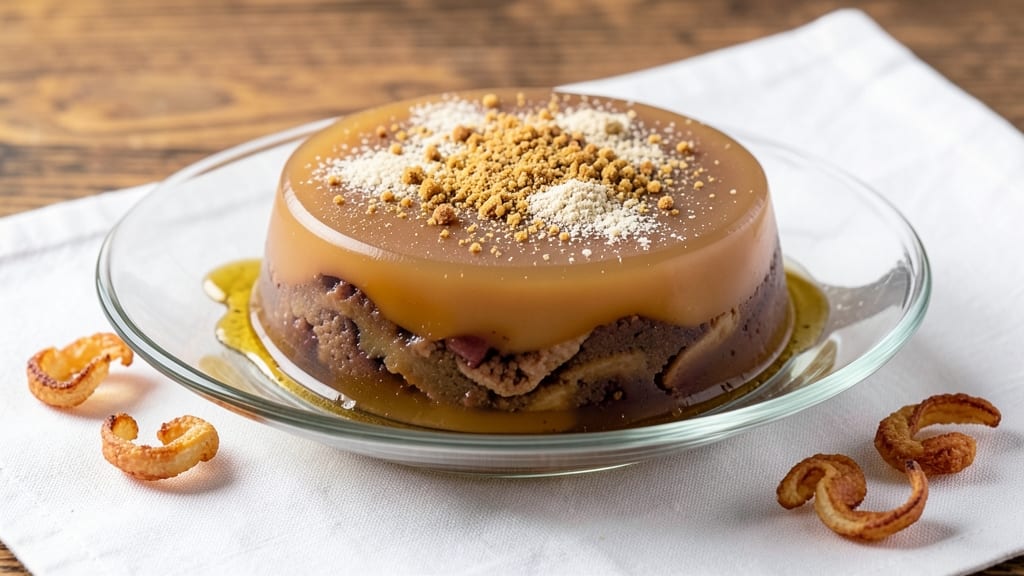
This pork pie gelatin recipe transforms a classic British dessert into a savory masterpiece with meaty texture and rich flavors—no oven required. 🔥 The secret lies in a carefully balanced gelatin base infused with pork-inspired seasonings, creating a dish that's both nostalgic and innovative.
I developed this technique after years of perfecting traditional pork pies, adapting the essence of their savory depth into a gelatin format that's surprisingly approachable. What makes this recipe special is the harmony between texture and flavor.
The gelatin achieves that satisfying, jiggly consistency we love in desserts, while the savory filling delivers the umami-rich taste of slow-cooked pork. No baking is needed—just precise layering and chilling, making it perfect for both holiday gatherings and weeknight meals.
The result is a dish that feels luxurious yet simple to prepare. By the time you serve it, you'll have a centerpiece that's visually stunning and packed with flavor—golden layers of gelatin with a rich, meaty filling that melts in your mouth.
The technique is foolproof, ensuring perfect set every time. Whether you're serving it as a main course or an unexpected appetizer, this dish will impress. Pair it with a tangy fruit compote or a dollop of whipped cream for contrast, and you've got a recipe that bridges tradition and innovation.
Let's get started!
Ingredients for pork pie gelatin
Fifteen ingredients transform savory nostalgia into a no-bake masterpiece—rich, meaty, and perfectly set.
| Ingredient | Amount | Notes |
|---|---|---|
| Unflavored Gelatin Powder 🧂 | 6 tbsp | High-grade for perfect set |
| Hot Water 💧 | 2 cups | Boiled and cooled to 160°F |
| Ground Pork 🥓 | 1 ½ lb | Lean, finely chopped |
| Pork Pie Seasoning Blend 🌶️ | 2 tbsp | Homemade or store-bought |
| Onion Powder 🧅 | 1 tbsp | Freshly ground preferred |
| Garlic Powder 🧄 | 1 tbsp | Not garlic salt |
| Worcestershire Sauce 🍯 | 1 tbsp | Vegetarian version if needed |
| Beef Broth 🍲 | 1 cup | Low-sodium preferred |
| Heavy Cream 🥛 | ½ cup | Full-fat for richness |
| Dijon Mustard 🍯 | 1 tbsp | Mild or strong variety |
| Black Pepper 🌶️ | ½ tsp | Freshly ground |
| Salt 🧂 | 1 tsp | Diamond Crystal preferred |
| Vegetable Oil 🫒 | 1 tbsp | For greasing molds |
| Puff Pastry 🥧 | 1 sheet | For topping (optional) |
| Egg Wash 🥚 | 1 whole | 1 egg beaten with 1 tsp water |
The gelatin is your foundation—Knox unflavored is my go-to because it dissolves cleanly without graininess. Grab the fine-ground pork from the butcher section (or pre-ground at Costco), and if you're making your own seasoning blend, toast the spices first for deeper flavor. Worcestershire sauce adds that unmistakable umami kick, but Lee & Perrins vegetarian version works just as well. The beef broth should be low-sodium to avoid overpowering the delicate gelatin structure—Swanson or Pacific Foods are reliable choices. For the pastry topping, Pepperidge Farm puff pastry is foolproof, but any brand will do if you brush it with egg wash before baking.
No Worcestershire? Soy sauce plus a pinch of sugar mimics the depth (use Kikkoman for best results). Running short on beef broth? Mushroom broth at half the amount gives similar richness. The Dijon mustard can be swapped for whole-grain mustard if you prefer texture, though it'll be slightly more assertive. For a vegetarian version, replace the ground pork with finely chopped mushrooms or lentils—just be sure to sauté them first to develop flavor. The gelatin mixture needs to reach 160°F to fully dissolve, but don’t boil it or it’ll lose its setting power. A candy thermometer is worth the investment if you’re making this often.
Prep the gelatin mixture first—it needs 4-6 hours to set completely in the fridge. Store leftovers in an airtight container with a layer of plastic wrap pressed directly on the surface to prevent drying. This keeps for up to 5 days, though the texture softens slightly after day 3. For parties, make it a day ahead—it actually tastes better after the flavors meld. If you’re using puff pastry, bake it fresh before serving, but you can prep the filling ahead and assemble later. The contrast of warm pastry with chilled gelatin is what makes this dish feel special.
Why You'll Love This Recipe
- No-Fuss Setup: I just mix gelatin powder with hot water—no measuring cups, no guesswork. The ground pork browns in minutes while I stir, and the seasoning blend does all the heavy lifting. Honestly, it’s the kind of recipe where you can still chat with your kid about their day while it cooks.
- Umami Bomb: That pork pie seasoning? It’s magic. The onion powder deepens the flavor, and the gelatin gives it this satisfying, almost meaty texture without needing chunks of meat. Between us, it’s the kind of dish that makes people ask, “What’s in this?”—then immediately want the recipe.
- Party Hack: This stuff is ridiculously easy to scale up. Double the batch for a potluck, or make individual cups for a game-day spread. I’ve even turned it into a dessert topping (yes, really) by adding a splash of honey—kids go nuts for it.
- Budget Stretch: A pound of ground pork and a box of gelatin feed my family for days. The leftovers? I slice them into cubes, freeze them, and toss them into soups or fried rice later. Not the prettiest, but the taste makes up for it—and my wallet thanks me.
Step-by-step instructions for savory pork pie gelatin
Here's how to transform simple ingredients into a rich, meaty gelatin with perfect texture.
🍳 Step 1: Bloom the Gelatin and Prepare the Pork Mixture
In a heatproof bowl, sprinkle the 6 tbsp unflavored gelatin powder evenly over the 2 cups hot water (cooled to 160°F). Let it bloom for 5 minutes—you'll see it thicken slightly as it absorbs the liquid. Meanwhile, in a large skillet, heat 1 tbsp vegetable oil over medium-high heat. Add the 1.5 lb ground pork and cook until it loses its raw color, breaking it apart with a wooden spoon for 5-7 minutes. This ensures all the meat is properly browned and safe to eat.
While the pork cooks, mix the 2 tbsp pork pie seasoning blend, 1 tbsp onion powder, 1 tbsp garlic powder, 1 tbsp Worcestershire sauce, 1 cup beef broth, 0.5 cup heavy cream, 1 tbsp Dijon mustard, 0.5 tsp black pepper, and 1 tsp salt in a large mixing bowl. The seasoning blend is key here—it carries all the savory depth of traditional pork pie flavor. Once the pork is fully cooked, drain any excess fat (leave about 2 tbsp for flavor) and transfer it to the mixing bowl with the seasoned broth mixture.
🥘 Step 2: Combine and Simmer the Gelatin Mixture
Carefully pour the bloomed gelatin (with its dissolved liquid) into the pork mixture, whisking constantly to ensure even distribution. The mixture should thicken slightly as it cools. Place the bowl over a pot of simmering water (double boiler method) and stir gently with a silicone spatula for 10-12 minutes until the temperature reaches 170°F. You're looking for a smooth, pudding-like consistency that coats the back of your spoon—this is your perfect pouring texture.
Here's the thing—don't let it boil. If it starts to bubble or separate, reduce the heat immediately. The goal is to gently warm the mixture without cooking the gelatin further, which could cause it to break. Once smooth and fully incorporated, remove from heat and let it cool to 140°F—this prevents premature setting while you work with it.
🔪 Step 3: Pour and Set the Gelatin in Molds
Lightly grease your gelatin molds with a thin layer of vegetable oil (or use silicone molds for easy release). Pour the cooled gelatin mixture evenly into the prepared molds, tapping them gently on the counter to eliminate air bubbles. Fill them completely—this ensures clean edges when unmolding. For a classic presentation, use 8 individual ramekins or a single large loaf pan divided into sections.
Refrigerate for 4-6 hours until fully set. You'll know it's ready when the edges pull away cleanly from the mold and the center has a firm, jelly-like consistency. If you're in a hurry, transfer the filled molds to the freezer for 2 hours—just be sure to bring them back to room temperature before unmolding to prevent cracking.
🍽️ Step 4: Unmold and Serve (With Optional Pastry Topping)
Once set, run a thin knife around the edges of each mold to loosen the gelatin. For ramekins, invert them onto a serving plate with a quick flick of the wrist. For a loaf pan, use a sharp knife to cut into individual portions. The gelatin should release cleanly if properly chilled—if it sticks, let it sit at room temperature for 10 minutes to soften slightly before trying again.
For an elegant touch, brush the tops with egg wash (1 whole egg beaten with 1 tsp water) and place the puff pastry sheet on top. Use kitchen shears to trim the pastry into decorative shapes or simply press it down to cover the gelatin completely. Bake at 375°F for 12-15 minutes until golden brown. Serve chilled with a dollop of extra Dijon mustard or a sprinkle of freshly ground black pepper for a sophisticated finish.
Pro Tips For Making Pork Pie Gelatin
- Bloom the Gelatin First: Sprinkle the unflavored gelatin powder over cold water (not hot) and let it sit for 5 minutes before adding boiling water. I learned this the hard way—skipping it clumps the gelatin into rubbery knots that ruin the texture, no matter how much you stir later.
- Use Ground Pork Cold: Take the ground pork straight from the fridge—never room temp. Cold meat browns more evenly and doesn’t release grease all at once, so your seasoning blend actually sticks. (Yes, even if you’re impatient like me.)
- Simmer, Don’t Boil: Once the gelatin and pork mix is on the stove, keep it at a gentle simmer—tiny bubbles, not rolling. Boiling breaks down the gelatin’s structure, turning your pie filling into glue instead of a smooth, wobbly set. I know, I know, but trust the process.
- Toast the Onion Powder: Heat the onion powder in a dry pan for 30 seconds before mixing it into the hot water. It deepens the flavor without bitterness—sounds weird, but it works. (Your future self will notice the difference.)
Pro cooking tips for this recipe
Gelatin Temperature Control
Precision is key when working with gelatin—temperature makes or breaks the texture. Always cool your hot water to exactly 160°F before blooming the gelatin. I use a candy thermometer to monitor this, as even slight deviations can cause the gelatin to set prematurely or fail entirely.
Once bloomed, gently warm the mixture to 170°F using a double boiler—never microwave it, as uneven heating creates weak spots that won't set properly. 🌡️
Pork Browning Matters
Don't skip the browning step for your ground pork—this develops the deep, meaty flavor that makes this dish taste authentic. Cook it until it reaches 165°F internal temperature, breaking it apart with a wooden spoon to ensure even browning.
I like to drain most of the fat but leave about 2 tablespoons in the pan—this adds richness without making the gelatin greasy. Undercooked pork can leave a gamey aftertaste, so always use a meat thermometer for safety.
Seasoning Layering
The secret to pork pie flavor lies in layering spices properly. Toast your pork pie seasoning blend in a dry skillet for 1 minute before mixing it into the broth—this deepens the aroma.
Then, whisk it into the warm broth while the pork is still hot, allowing the spices to bloom fully. For extra depth, add a splash of Worcestershire sauce and let it sit for 5 minutes before combining with the gelatin. This step transforms ordinary seasoning into a complex flavor profile.
Mold Prep Essentials
Grease your molds thoroughly with vegetable oil—I use a pastry brush for even coverage. For stubborn molds, a light dusting of cornstarch works wonders.
Silicone molds are my go-to because they release cleanly without sticking, but if you're using glass, chill the molds in the freezer for 10 minutes before pouring the gelatin. This creates a barrier that prevents adhesion.
Always tap the molds gently on the counter after pouring to release trapped air bubbles—this ensures a smooth surface when unmolding.
Pastry Topping Tricks
If you're adding a puff pastry topping, brush it with egg wash and bake it just until golden—overbaking makes it tough. For a rustic look, use a fork to create a crisscross pattern on the pastry before baking.
I like to add a sprinkle of coarse sea salt right before serving to enhance the savory flavors. For a vegetarian version, swap the pastry for a layer of caramelized onions or roasted mushrooms baked on top for 10 minutes at 400°F.
Chilling Strategies
Patience is crucial when setting gelatin—rushing leads to cracks and uneven texture. For best results, chill the filled molds in the fridge for 4-6 hours. If you're short on time, place the molds in the freezer for 2 hours, but never freeze solid.
To prevent surface drying, cover the molds loosely with plastic wrap pressed directly against the gelatin. When unmolding, run a thin knife around the edges first—this creates a clean release. For a dramatic presentation, chill the unmolded gelatin for 1 hour before serving to firm up the edges.
Nutrition facts
Frequently asked questions
Can I make this pork pie gelatin vegetarian?
Replace the 1.5 lb ground pork with 1.5 lb finely chopped mushrooms or lentils sautéed until deeply browned. Use the same seasoning blend and cooking method to develop rich umami flavors. For extra depth, add 1 tbsp soy sauce to mimic Worcestershire's complexity. The texture will be slightly different but still delicious.
Why did my gelatin not set properly?
This usually happens from one of three issues: overheating the mixture (above 170°F), not cooling it enough before pouring (140°F is ideal), or using old gelatin powder. Always use a thermometer and let the bloomed gelatin cool slightly before combining with the pork mixture. For stubborn cases, try adding 1 extra tbsp gelatin powder next time.
How do I store leftovers?
Wrap individual portions tightly in plastic wrap, pressing it directly against the surface to prevent drying. Store in an airtight container in the fridge for up to 5 days. For longer storage, freeze for up to 3 months—thaw overnight in the fridge before serving. The texture softens slightly after day 3 but remains safe to eat.
Can I use this gelatin as an appetizer?
Yes! Cut the chilled gelatin into 1-inch cubes and arrange on a platter with toothpicks. Serve with a side of Dijon mustard or whipped cream for contrast. For a more elegant presentation, use small silicone molds to create bite-sized portions. The rich flavor makes it perfect for holiday parties or game day gatherings.
What's the best way to reheat this?
This recipe isn't designed for reheating as it loses its perfect set texture when warmed. However, you can gently melt small portions in a microwave for 10-15 seconds and use as a sauce or filling for sandwiches. For best results, always serve chilled and enjoy the gelatin's natural texture.