Desserts
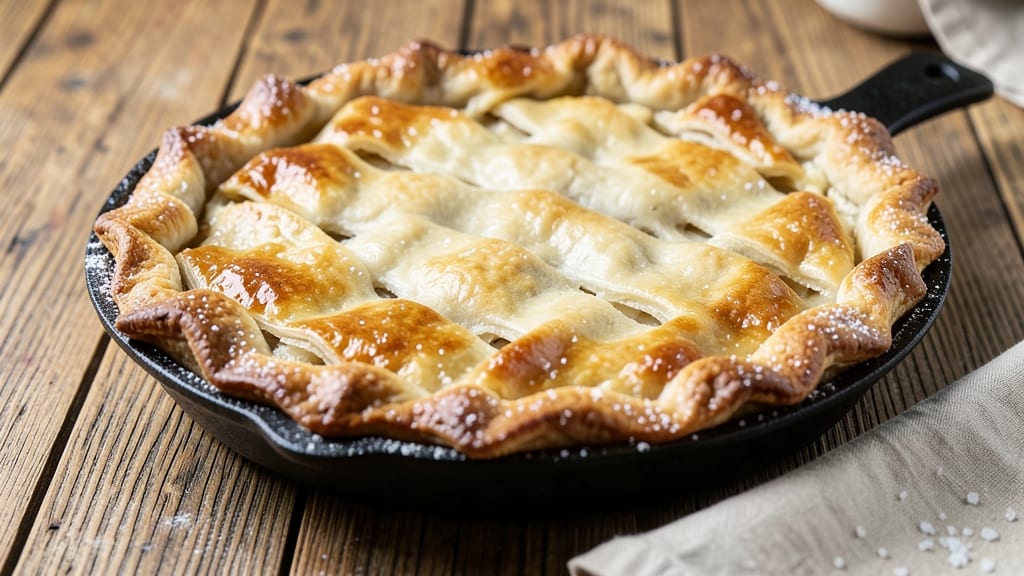
This apple pie crust recipe with lard delivers the golden, flaky layers that make every slice worth savoring. The secret lies in lard's ability to create delicate, crisp pastry sheets that hold up perfectly to spiced apple fillings—no soggy bottoms here.
I've perfected this technique over years of baking, and the difference between this crust and others using butter or shortening is night and day.
The process starts with cold lard and butter cut into flour, creating pockets of fat that melt during baking and create those signature flaky layers. We'll work quickly to avoid over-handling the dough, then chill it thoroughly before rolling.
This ensures clean layers and easy assembly when it's time to add your favorite apple filling—whether it's classic cinnamon-spiced or a modern twist like caramelized apple compote.
What you'll end up with is a pie crust so tender and crisp it practically melts in your mouth, with a golden-brown hue that signals perfection. The lard contributes a subtle richness that complements the sweet-tart apple filling beautifully, while the flaky texture provides that satisfying contrast with every bite.
This is the kind of pie crust that makes people ask for seconds—and then thirds.
The best part? This recipe delivers restaurant-quality results at home, with minimal effort. We'll cover every step from mixing to baking, plus tips for achieving that perfect balance of flakiness and structure. Let's get started on creating the foundation for an unforgettable apple pie.
Ingredients for apple pie crust recipe with lard
Flour, lard, butter, and ice—simple ingredients for legendary flaky crust.
| Ingredient | Amount | Notes |
|---|---|---|
| All-Purpose Flour 🌾 | 3 cups | Sifted for light texture |
| Lard 🧈 | 1 cup | Leaf lard preferred, cold |
| Unsalted Butter 🧈 | ½ cup | Cold, cubed, for extra flakiness |
| Granulated Sugar 🍚 | 1 tbsp | For slight sweetness |
| Kosher Salt 🧂 | ½ tsp | Diamond Crystal preferred |
| Ice Water 💧 | ¼ cup | Chilled for binding |
| Ice ❄️ | 1 cup | For cold work surface |
The lard makes all the difference here. Leaf lard from Whole Foods or Trader Joe's is ideal—it stays firm when chilled, which is critical for those signature flaky layers. If you can only find regular lard, freeze it overnight first to firm it up. The butter adds richness, so don't skip it—European-style butter like Plugrá works beautifully. Flour? King Arthur or Gold Medal are my go-tos, but any all-purpose will do. Just make sure it's sifted before mixing—this prevents dense spots in your crust.
No lard on hand? Shortening works in a pinch, but you'll lose that subtle richness. Butter-only crusts get tougher faster, so I don't recommend it for apple pie. The sugar and salt are non-negotiable—the sugar balances the acidity of the filling, while the salt enhances all the flavors. Diamond Crystal kosher salt
This dough needs to stay cold. Wrap it tightly in plastic and refrigerate for at least 2 hours before rolling. For longer storage, freeze it for up to 3 months
Why You'll Love This Recipe
- No-Fuss Mixing: I swear by this crust because it’s just flour, lard, butter, and salt—no fussing with ice water or overworking the dough. The lard keeps it flaky while staying tender, and honestly? I’ve made it wrong twice and still ended up with a crust that held its own.
- Buttery-Lard Magic: That combo of cold lard and butter? It’s where the magic happens—crispy edges, melt-in-your-mouth layers, and a richness you won’t get from butter alone. The sugar just gives it this subtle caramelized edge when baked, and trust me, it’s the little details that make it ridiculously good.
- Pie for Any Day: This crust isn’t just for Thanksgiving. I’ve used it for hand pies, pot pies, and even a savory galette—it’s that versatile. Freezes like a dream too, so I make a double batch and stash it for lazy weekends when I crave something homemade.
- Budget-Smart Flavor: Lard is cheaper than butter, and this crust stretches further than store-bought. I’ll be real: it’s not the prettiest dough, but the taste? Spot-on. Plus, leftovers? I turn them into cinnamon toast or fry them up for a crispy snack—zero waste, all flavor.
Step-by-step instructions for apple pie crust with lard
Here's how to create a flaky, buttery crust that holds its shape under any filling.
Prepare Your Work Surface and Ingredients
Spread the 1 cup ice on a large cutting board or marble slab. This keeps everything cold and prevents the fat from melting too quickly. Place the 1 cup lard and ½ cup unsalted butter (cold and cubed) on the ice. Chop the lard and butter into ¼-inch dice using a sharp chef's knife—smaller pieces create more flaky layers.
In a separate bowl, whisk together the 3 cups all-purpose flour (sifted), 1 tablespoon granulated sugar, and ½ teaspoon kosher salt. The sugar adds a subtle sweetness that balances the tart filling, while the salt enhances all the flavors. Keep the bowl nearby so you can add the dry ingredients quickly once the fat is ready.
Cut the Fat Into the Flour
Add the diced lard and butter to the bowl of dry ingredients. Using your fingertips or a pastry cutter, work quickly to distribute the fat evenly throughout the flour. The goal is to create a mixture where each flour particle is coated with tiny fat pieces—this creates those signature flaky layers when baked. Press the mixture together lightly with your fingers; it should resemble coarse crumbs with some larger fat pieces still visible.
I like to use my fingertips for this step because it gives me better control than a pastry cutter. If the mixture feels too dry, add 1-2 tablespoons of ice water gradually until it just starts to come together when pressed. Too much water will make the crust tough, so err on the side of dryness. The dough should hold its shape when pressed but still feel slightly crumbly.
Add Ice Water and Form the Dough
Pour the remaining ¼ cup ice water over the mixture and gently stir with a fork or your hands. The ice water helps bind the dough without warming it up too much. Work the dough just until it comes together—don't overmix or the gluten will develop, making the crust tough. If it's still too dry, add 1 more tablespoon of ice water, but be careful not to overdo it.
Turn the dough out onto the ice-covered surface and divide it into two equal discs. Flatten each disc into a 6-inch round using your hands. Wrap each disc tightly in plastic wrap and refrigerate for at least 1 hour (or up to 2 days). Chilling relaxes the gluten and makes rolling out much easier. This is where the magic happens—the cold dough prevents the fat from melting and keeps those layers distinct.
Roll Out and Assemble the Crust
Remove one disc of dough from the refrigerator and place it on a lightly floured surface. Roll it out gently into a 12-inch circle, about ⅛-inch thick. If the dough resists, let it sit at room temperature for 5 minutes to soften slightly. The key here is to handle the dough as little as possible—every fold or stretch tightens the gluten and reduces flakiness.
Transfer the rolled-out dough to a 9-inch pie dish, gently pressing it into the bottom and up the sides. Trim any excess dough hanging over the edge with a sharp knife. For a classic double-crust pie, repeat the process with the second disc of dough to create the top crust. Brush the bottom crust with a thin layer of ice water or egg wash (if using) before adding your filling. This helps seal the edges and prevents a soggy bottom.
Pro Tips For Making Apple Pie Crust Recipe With Lard
- Chill the Lard First: I learned this the hard way—using lard straight from the fridge makes the dough fight you like a stubborn mule. Let it sit at room temperature for 20-30 minutes until it’s soft but not greasy, or your crust will end up greasy instead of flaky.
- Cut Fat in Cold: Yes, even if you’re impatient like me, resist the urge to rush this part. Cut the lard and butter into the flour using a pastry cutter or two forks until the mixture resembles coarse crumbs with pea-sized fat pieces—any larger, and you’ll get tough pockets instead of layers.
- Skip the Overmixing: That dough will look shaggy at first, but don’t panic and start kneading. Overworking it develops gluten, and your crust will turn out dense instead of tender. Just press it into a disc, wrap it, and let it rest—no extra handling needed.
- Use a Mix of Lard and Butter: I was skeptical until I tried it: swap half the butter for lard. Lard gives that signature flaky, melt-in-your-mouth texture, but butter adds richness and prevents the crust from tasting too gamey. (And yes, even if you’re not a purist.)
Wine and beer pairings for this recipe
Red Wine Pairings
A bold Cabernet Sauvignon from Napa Valley is my go-to choice for apple pie with lard crust—its dark fruit notes and firm tannins stand up beautifully to the pie's sweet-tart balance. Look for a 2018 vintage with 14-15% ABV like Opus One or Castello di Amorosa for that perfect structure.
The wine's acidity cuts through the richness while its dark cherry flavors complement the spiced apples. Serve it slightly chilled (60°F) to enhance its fruitiness. 🍷
White Wine Options
For a lighter pairing, try a dry Riesling from Germany's Mosel region—its crisp acidity and hints of citrus and mineral notes create a refreshing contrast. I recommend Dr. Loosen Blue Slate or Joh.
Jos. Prüm with their 12-13% ABV. The wine's slight sweetness won't overpower the pie, while its bright character cleanses your palate between bites. Serve at 50°F to preserve its vibrant flavors.
Beer Complements
A Belgian-style witbier like Hoegaarden or St. Bernardus Wit brings a delightful effervescence and citrusy notes that pair wonderfully with the pie's spices. The beer's coriander and orange peel flavors mirror the cinnamon and nutmeg in the filling.
For a heartier option, try an American brown ale—Anderson Valley's Hop Ballou has just enough caramel and chocolate to complement the crust's richness. Serve both at 45°F for optimal enjoyment. 🍺
Seasonal Considerations
In fall, I often reach for a Port-style wine like Taylor's Late Bottled Vintage—its nutty, caramelized flavors echo the warm spices in the pie while its sweetness balances the tart apples.
For summer, switch to a dry sparkling wine such as La Crema Cuvee to cut through the richness without overwhelming the dessert. The bubbles also help cleanse your palate between bites.
Non-Alcoholic Choices
For those skipping alcohol, a sparkling apple cider like Martinelli's or a ginger beer such as Feather's work beautifully. The ginger beer's spicy kick complements the pie's cinnamon, while the apple cider's tartness mirrors the filling.
Chill both to 40°F for the best experience. These options prove you don't need alcohol to create a memorable pairing. 🍎
Nutrition facts
Frequently asked questions
Why does this recipe use lard instead of butter or shortening?
Lard creates the ultimate flaky texture because it contains a higher fat content than butter and melts cleanly during baking. The fat coats each flour particle perfectly, creating those signature delicate layers. While shortening works, it lacks the subtle richness lard adds—plus, traditional bakers swear by lard for its ability to create a tender, golden crust that holds up beautifully against juicy apple fillings.
Can I make this crust without ice water?
You can substitute 1-2 tablespoons of cold water if needed, but ice water works best because it keeps the dough cold longer. If your kitchen is very warm, chill your mixing bowl first and work quickly. The key is to avoid overmixing—just add enough liquid to barely hold the dough together when pressed. Too much water makes the crust tough.
How do I prevent a soggy bottom in my apple pie?
Brush the bottom crust with 1 tablespoon of ice water or egg wash before adding filling, then sprinkle with 1 tablespoon of granulated sugar. This creates a barrier that prevents moisture from seeping in. For extra insurance, blind-bake the bottom crust for 5-7 minutes at 375°F before adding filling. Always use a 9-inch pie dish and avoid overfilling.
Can I freeze the pie crust for later use?
Wrap the dough discs tightly in plastic wrap, then place them in a freezer bag for up to 3 months. Thaw overnight in the fridge before rolling. For pre-rolled crusts, freeze them on a baking sheet first (unbaked) to prevent sticking, then transfer to a bag. When ready to use, let them sit at room temperature for 10 minutes before handling.
What's the best way to roll out stubborn dough?
If the dough resists rolling, let it sit at room temperature for 5-10 minutes to soften slightly. Use a 12-inch rolling pin and keep it moving—don't press down too hard. Roll from the center outward, rotating the dough as you go. For extra help, place parchment paper under the dough to prevent sticking. If it cracks, gently press it back together with your fingers.