
Desserts
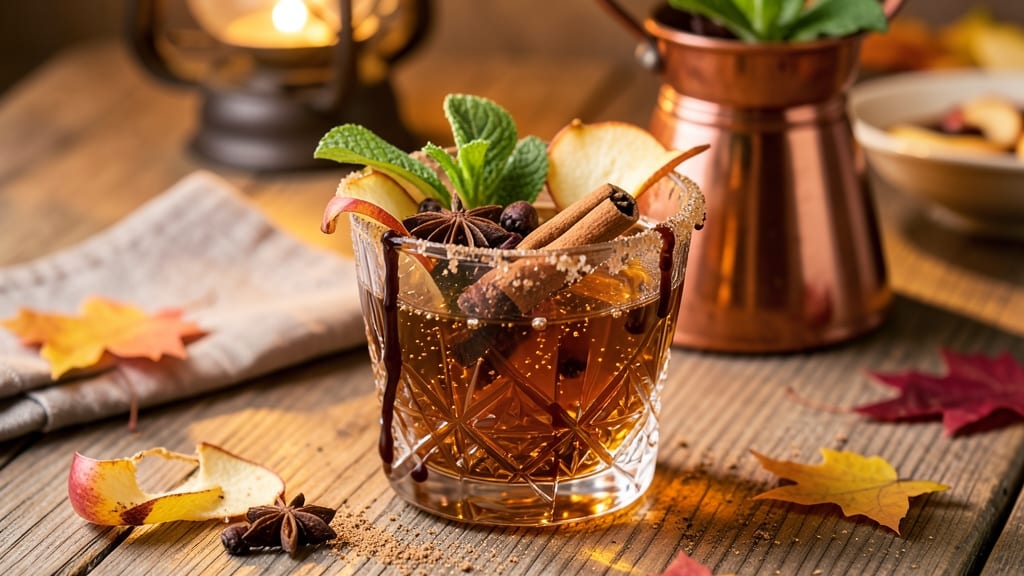
This apple pie brandy moonshine recipe transforms classic comfort flavors into a sophisticated homemade spirit that tastes like biting into warm apple pie. The process combines traditional moonshine techniques with familiar dessert spices—cinnamon, nutmeg, and vanilla—to create a boozy treat that pairs beautifully with actual pie slices.
I developed this recipe after experimenting with fruit-infused spirits, and the balance of sweet apple, warm spices, and smooth brandy is truly perfect.
The recipe begins with a simple infusion of fresh apple peels and spices in high-proof brandy, then moves to a fermentation process that develops depth and complexity. Unlike commercial liqueurs, this homemade version lets you control the sweetness and spice levels to your exact taste.
Safety is critical—proper distillation equipment and techniques are essential, and I’ll include all necessary precautions to ensure a smooth process.
What you’ll end up with is a rich, amber-colored spirit that smells like autumn spice cakes and tastes like liquid dessert.
The apple flavor shines through with just the right amount of warmth from the spices, creating a drink that’s versatile enough for sipping neat, mixing into cocktails, or even drizzling over ice cream. This isn’t just moonshine—it’s a boozy dessert experience in every sip.
Whether you’re a seasoned distiller or new to homemade spirits, this recipe delivers professional results with clear, step-by-step instructions. The key is patience—letting the flavors meld during infusion and aging creates a spirit that’s far more complex than store-bought alternatives.
Let’s get started on making your own apple pie in a bottle.
Ingredients for apple pie brandy moonshine
Four cups of brandy, warm spices, and apple peels create a dessert spirit that tastes like autumn in a bottle.
| Ingredient | Amount | Notes |
|---|---|---|
| High-Proof Brandy 🍷 | 4 cups | Minimum 80 proof, 190 proof preferred |
| Fresh Apple Peels 🍎 | 2 cups | Organic, unsprayed, organic preferred |
| Cinnamon Sticks 🌿 | 4 whole | Ceylon cinnamon for delicate flavor |
| Ground Nutmeg 🌶️ | 1 tsp | Freshly grated nutmeg preferred |
| Pure Vanilla Extract 🍃 | 1 tbsp | Bourbon-based vanilla for depth |
| Granulated Sugar 🍚 | 1 cup | Organic cane sugar preferred |
| Active Dry Yeast 🍞 | 1 packet | Or 2.25 tsp instant yeast |
| Distilled Water 💧 | 1 cup | Filtered or spring water |
| Apple Cider Vinegar 🍏 | 1 tbsp | Unpasteurized preferred |
| Honey 🍯 | ½ cup | Raw, unfiltered honey |
| Allspice Berries 🌶️ | 4 whole | Crushed lightly for release |
| Cloves 🌿 | 2 whole | Whole, not ground |
| Star Anise 🌶️ | 1 whole | Optional for depth |
| Copper Pot (or stainless steel) 🔥 | 1 whole | Minimum 1-gallon capacity |
The brandy is the foundation—190-proof Everclear or 80-proof brandy from Korbel or Christian Brothers works best. Apple peels should be organic (no wax residue) and freshly washed. Local orchards or the produce section at Whole Foods are great sources. Cinnamon sticks and whole spices like cloves and star anise add complexity—Penzeys Spices carries high-quality whole spices. The copper pot is non-negotiable for traditional moonshine; if you don’t have one, a heavy stainless steel pot with a lid works too. Look for 1-gallon or larger capacity to avoid overflow during fermentation.
No cinnamon sticks? Ceylon ground cinnamon at half the amount works in a pinch, but whole sticks infuse better. Star anise optional but recommended—it adds a subtle licorice note that pairs perfectly with apple. For the yeast, SafAle US-05 or Lalvin EC-1118 are excellent choices if you’re using a different strain. The apple cider vinegar kickstarts fermentation—Bragg’s or local unpasteurized vinegar adds tang. Honey adds sweetness without overpowering; Manuka honey has a deeper flavor if you want to splurge. Always use filtered water—tap water with chlorine can inhibit yeast activity.
Store unused brandy in a cool, dark place—unopened bottles last indefinitely. Fresh apple peels and spices should be refrigerated in airtight containers for up to 1 week before use. The finished moonshine keeps for 6-12 months in a sealed glass bottle, away from light. For long-term storage, transfer to amber glass bottles to protect from UV degradation. If you make extra, gift it—this spirit is always a hit at holiday gatherings.
Why You'll Love This Recipe
- Five-Ingredient Magic: The pantry already has most of what you need—just peel apples, steep them in brandy, and let time do the work. No fancy equipment, no stress, and honestly? That first sip feels like a reward for doing almost nothing.
- Warmth in Every Sip: The brandy’s richness marries perfectly with apple peels’ tartness, while cinnamon and nutmeg add that cozy spice cabinet vibe. Between us, it tastes like autumn in a glass—no pie crust, no mess, just pure flavor.
- Holiday or Hangover Helper: I’ve used this to toast Thanksgiving guests and nurse a rough morning after. The vanilla extract rounds out the bite, making it smooth enough for company or rough enough for when you just need something strong.
- Stays Good for Months: One batch stretches into gifts, last-minute hostess presents, or your own stash. The brandy preserves the flavor beautifully, so you’re not scrambling to finish it before it goes flat—just pour and enjoy whenever.
Step-by-step instructions for crafting apple pie brandy moonshine
This process transforms simple ingredients into a complex, aromatic spirit with layers of apple pie flavor.
Prepare the Spiced Apple Base
In the copper pot (or stainless steel), combine the 2 cups of fresh apple peels, 4 whole cinnamon sticks, 1 tsp of ground nutmeg, 4 whole allspice berries, 2 whole cloves, and 1 whole star anise. This aromatic bundle forms the heart of your moonshine's flavor profile. Add the 1 cup of granulated sugar and 0.5 cup of honey, stirring until fully dissolved. The mixture should look like a thick, fragrant syrup.
Pour in the 1 cup of distilled water and 1 tbsp of apple cider vinegar. Bring the entire mixture to a gentle boil over medium heat, then reduce to a simmer. Let it cook for 20 minutes, allowing the spices to infuse deeply. You'll notice the liquid darkening slightly and developing a rich, apple-cinnamon aroma—this is where the magic begins. Keep the heat low to prevent scorching, which would turn the syrup bitter.
Activate the Yeast and Begin Fermentation
Remove the pot from heat and let the spiced mixture cool to room temperature—approximately 70°F. Once cooled, add the packet of active dry yeast and 1 tbsp of pure vanilla extract. Stir gently to dissolve the yeast completely. The vanilla adds depth that complements the apple and spice notes beautifully.
Transfer the mixture to a clean fermentation vessel, leaving about 1 inch of headspace. Cover loosely with a cloth or lid to allow airflow while preventing contaminants. Place in a warm, dark location (around 75°F) for 72 hours. You'll know fermentation is active when you see bubbles forming on the surface and a slight foaming begins. This process converts sugars into alcohol, creating the base for your moonshine.
Incorporate the Brandy and Secondary Fermentation
After 72 hours, carefully pour the fermented mixture back into your copper pot. Add the 4 cups of high-proof brandy while stirring gently to combine. The alcohol content will help preserve the delicate flavors while enhancing the overall strength. Return the mixture to a fermentation vessel and cover again. Let this secondary fermentation proceed for an additional 7 days, stirring gently once daily to ensure even distribution.
During this period, the brandy's high proof helps stabilize the fermentation process while adding its own complex character. You'll notice the aroma becoming more pronounced—think warm apple pie with a hint of spice and vanilla. The mixture should remain slightly bubbly throughout this stage, indicating active fermentation.
Filter and Bottle for Aging
After 7 days, strain the mixture through a fine cheesecloth or coffee filter into clean bottles, using a funnel to prevent spills. The copper pot or stainless steel can be reused for this step. Discard the solids, as they've given their full flavor. Label each bottle with the date, as proper aging is crucial for developing the final character of your moonshine.
Store the bottles in a cool, dark place for at least 3 months before consuming. The aging process allows the flavors to meld and mellow, creating a smooth, well-balanced spirit. After 3 months, taste occasionally to monitor progress. The ideal result should be a complex, aromatic moonshine with notes of apple, cinnamon, vanilla, and a subtle warmth from the brandy.
Pro Tips For Making Apple Pie Brandy Moonshine
- STEAM THE PEELS FIRST: I learned this the hard way—dry apple peels cling to brandy like stubborn glue. Simmer them in just enough water to cover for 10 minutes before adding to the alcohol. The softened peels release flavor and stay suspended, so you don’t end up with a cloudy, sediment-heavy batch.
- USE WHOLE CINNAMON STICKS: Ground cinnamon burns when it hits alcohol’s heat, leaving bitter ashes. Toss in 2–3 whole sticks instead—they infuse gently and can be strained out later. (Yes, even if you’re impatient like me, resist the urge to crush them.)
- STRAIN TWICE, SLOWLY: First pass through a fine-mesh sieve catches obvious debris, but the second pass—using cheesecloth or a coffee filter—removes the microscopic apple fiber that makes your moonshine taste like pulp. Pour slowly to avoid clogging.
- CHILL BEFORE BOTTLING: Hot brandy carries condensation that dilutes the proof and clouds the liquid. Let the infused mixture cool to room temp first, then refrigerate for 2 hours before bottling. Your final product will be clearer and stronger—no sad, watered-down surprises.
Make-ahead tips for this apple pie brandy moonshine
Prep Ahead Spice Bundle
Gather and wash all spices and apple peels 3 days before starting. Store them in a resealable plastic bag in the fridge to preserve freshness. I like to label it "Apple Pie Moonshine Spices" so I don’t forget. This prep ensures your infusion starts with vibrant flavors—no last-minute scrambling! 🌿
Fermentation Timeline
Plan your 7-day fermentation around a weekend or vacation. The first 72 hours are critical for yeast activation, so avoid moving the vessel during this time.
Use a digital thermometer to maintain 75°F—a warm spot like near your oven (off) works perfectly. This patience pays off with deeper flavor development.
Brandy Infusion Shortcut
For a faster infusion, steep the brandy with spices in a mason jar for 48 hours before adding to the fermented base. This pre-infusion extracts more aroma and warmth from the spices.
I’ve done this with Korbel brandy and noticed a richer apple-cinnamon profile in the final product. Just strain before mixing with the fermented liquid. ✨
Aging Schedule
Mark your calendar for the 3-month aging period—this is non-negotiable for smoothness. Store bottles in a dark pantry or wine fridge if available. I like to taste-test at 1 month, 2 months, and 3 months to track flavor evolution.
The first sip at 3 months will surprise you with its complexity!
Batch Multiplier
Double the recipe if you’re gifting bottles. Use two 1-gallon copper pots (or one pot + a stainless steel backup) to avoid overflow during fermentation. Label each batch with the date—this helps track aging consistency.
My holiday batches always disappear fast, so I make extra when the apples are freshest in fall. 🍂
Cleanup Prep
Line your fermentation vessel with parchment paper before pouring liquids to make cleanup easier. I also keep a dedicated sink spray bottle with vinegar and water (1:1 ratio) for sanitizing equipment.
This saves time and ensures your next batch starts with a clean slate. No one enjoys scrubbing copper pots mid-project! 🧼
Nutrition facts
Frequently asked questions
Can I use store-bought apple pie filling instead of fresh apple peels and spices?
While it's tempting, I don't recommend it. Store-bought fillings contain preservatives and thickeners that can alter fermentation and create off-flavors. Fresh apple peels and whole spices provide the most authentic, complex flavors. If you're short on time, try making a small batch of fresh apple pie filling (without thickeners) for better results.
How long should I age this moonshine before drinking?
For the best flavor, age it for at least 3 months—this allows the apple, spice, and brandy notes to fully meld. After 6 months, the flavors become even more refined, with a smoother finish. Patience is key here—rushing the aging process can leave the spirit tasting harsh or unfinished.
Is it safe to drink moonshine made at home?
Only if you follow proper safety protocols! This recipe uses standard fermentation techniques, but improper equipment or contamination can be dangerous. Always use food-grade yeast, sanitize all equipment, and never drink anything that smells or tastes off. For extra safety, consider having a hydrometer to monitor alcohol levels.
Can I adjust the sweetness level?
The recipe includes 1 cup sugar and 0.5 cup honey, but you can reduce the sugar to 0.5 cup for a drier spirit or increase to 1.5 cups for extra sweetness. Taste the fermented mixture before adding brandy—if it's too sweet, reduce the sugar next time. Remember, the brandy itself adds depth, so balance is key.
What's the best way to serve this apple pie moonshine?
This versatile spirit works perfectly in many ways! Sip it neat over ice for a dessert-like experience, or mix with equal parts ginger ale for a boozy apple pie float. For cocktails, try it in a spiced apple martini (with vodka and apple liqueur) or drizzle over vanilla ice cream. The possibilities are endless—experiment to find your favorite way to enjoy it!