
Desserts
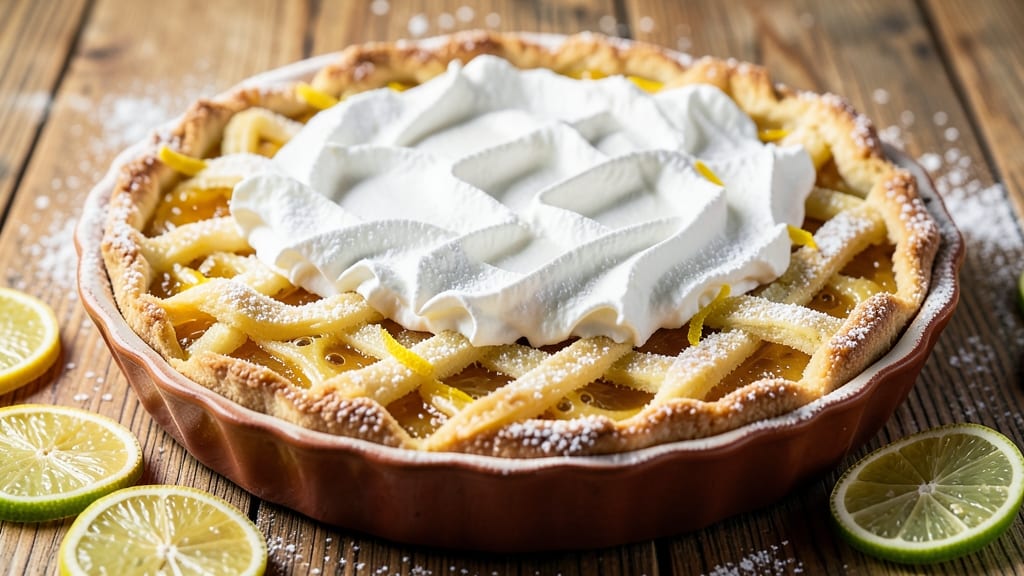
This Amish lemon sponge pie recipe delivers the perfect balance of tangy lemon and tender sponge layers, all encased in a golden, crispy crust. The traditional method—no electric mixers, just simple ingredients—creates a dessert that’s both rustic and refined.
I’ve perfected the texture: a light, fluffy sponge that soaks up just enough lemon curd without becoming soggy, while the crust stays perfectly crisp. The secret lies in the lemon sponge itself: beaten eggs and sugar create air pockets that keep it tender, while a touch of flour ensures structure.
The lemon curd, simmered until thick and glossy, adds that signature zing that cuts through the richness. Baking the sponge separately ensures it stays moist, and the final assembly—pouring the warm curd over the cooled sponge—locks in that signature tangy-sweet flavor.
What you’ll end up with is a pie that’s crisp on the edges, tender in the center, and bursting with lemon flavor in every bite. The crust remains flaky and golden, while the filling stays bright and vibrant.
This isn’t just dessert—it’s a showstopper that pairs beautifully with whipped cream or a scoop of vanilla ice cream. Traditional Amish baking principles guide every step: minimal ingredients, simple techniques, and maximum flavor. No shortcuts here—just the kind of pie that tastes like a homemade hug. Let’s get baking!
Ingredients for amish lemon sponge pie
Twelve simple ingredients transform into a showstopping pie with golden crust and tangy lemon layers.
| Ingredient | Amount | Notes |
|---|---|---|
| All-Purpose Flour 🌾 | 2 cups | Sifted for light texture |
| Granulated Sugar 🍚 | 1 ½ cups | Divided for sponge and curd |
| Large Eggs 🥚 | 6 whole | Room temperature for best volume |
| Unsalted Butter 🧈 | 1 cup | Cold, cubed for crust |
| All-Purpose Flour 🌾 | 1 ¼ cups | Plus 1 tbsp for crust |
| Coarse Sugar 🍚 | ¼ cup | For sprinkling on crust |
| Lemon Zest 🍋 | 2 tbsp | From 3-4 fresh lemons |
| Fresh Lemon Juice 🍋 | 1 cup | Plus 1 tbsp for curd |
| Heavy Cream 🥛 | ½ cup | For lemon curd richness |
| Salt 🧂 | ½ tsp | Divided for sponge and curd |
| Cornstarch 🌾 | 2 tbsp | For thickening curd |
| Vanilla Extract 🌸 | 1 tsp | Pure extract preferred |
The flour matters here—King Arthur or Gold Medal brands work best for that tender, fluffy sponge. I always grab extra lemon zest; it makes a huge difference in flavor. For the crust, cold butter is non-negotiable—it keeps those flakes crisp. If you're short on time, Trader Joe's has pre-grated Parmesan (though we're not using it here, it's handy for other recipes). The eggs should be room temperature—cold eggs won't incorporate as well into the sponge batter.
No fresh lemons? Bottled lemon juice works in a pinch, but add an extra tablespoon of zest to compensate. For the sugar, turbinado or coarse sugar on the crust gives that classic Amish look, but regular granulated sugar works too. The cornstarch can be swapped for arrowroot powder if that's what you have. Want extra richness? Add 1 tbsp of sour cream to the curd mixture—it makes the filling silky smooth. And if you're feeling fancy, infuse the cream with a splash of vanilla before adding to the curd.
The butter for the crust should be wrapped in parchment and frozen for 20 minutes before cutting—this keeps it cold longer. The lemon zest keeps for 2 weeks in the fridge, sealed in a jar. The sponge stays fresh for 3 days if wrapped tightly in plastic, but the curd? That's best used within 2 days—it thickens beautifully when reheated gently. For a restaurant-worthy presentation, dust with powdered sugar just before serving.
Why You'll Love This Recipe
- No-Fuss Crust: I swear by this recipe because it skips the fuss of pie dough. Just mix flour, butter, and sugar—no rolling, no stress—then fold in the eggs for that signature Amish sponge texture. It’s the kind of recipe where the hardest part is deciding whether to make it from scratch or use store-bought crust.
- Zesty Tang Kick: That lemon curd filling? Pure sunshine in every bite. The butter and sugar create a silky base, but the lemon brightens it up—no artificial flavors, just real zest and juice. Honestly, it’s the kind of dessert that makes you reach for a second slice without guilt.
- Weekend or Weeknight: I make this for Sunday brunch or as a last-minute dessert when friends drop by. The sponge holds up perfectly for slicing, and the lemon flavor pairs with coffee, tea, or even vanilla ice cream. Between us, it’s my go-to for any gathering where I want to look like I tried.
- Budget-Friendly Luxury: Flour, sugar, butter, eggs—these are pantry staples that won’t break the bank. Plus, the pie keeps well for days, so you’re not stuck with a whole dessert going bad. I’ll be real: it’s the kind of treat that feels special but won’t drain your wallet.
Step-by-step instructions for Amish lemon sponge pie
This classic pie delivers a perfect balance of crispy crust, tender sponge, and tangy lemon curd.
Prepare the Lemon Curd Filling
In a medium saucepan, combine the 1 cup fresh lemon juice, 1 cup granulated sugar (from the 1.5 cups total), 2 tbsp cornstarch, 0.5 tsp salt, and 1 tsp vanilla extract. Whisk until smooth over medium heat. Add the 0.5 cup heavy cream and continue whisking until the mixture thickens to a pudding-like consistency—this should take about 5-7 minutes. The curd is ready when it coats the back of a spoon and leaves a clear path when you run your finger through it.
Remove from heat immediately and stir in the 2 tbsp lemon zest. Let it cool to room temperature while you prepare the sponge layer. This cooling step is crucial—hot curd will cook the sponge instead of setting properly. I like to spread it thinly on a baking sheet to speed up cooling.
Bake the Sponge Layer
Preheat your oven to 350°F. In a large mixing bowl, sift together the 2 cups all-purpose flour and the remaining 0.5 cups granulated sugar. Add the 6 whole large eggs one at a time, beating well after each addition until fully incorporated. The batter should be smooth and slightly thick—like heavy pancake batter.
Pour the batter into a 9-inch pie dish lined with a removable bottom crust (if using). Bake for 20-25 minutes until the top springs back when gently pressed and the edges are lightly golden. Here's the thing—don't overbake. The sponge should be tender, not cakey. Remove from oven and let cool completely on a wire rack before adding the curd.
Assemble and Bake the Top Crust
Mix together the 1.25 cups all-purpose flour, 0.25 cup coarse sugar, and a pinch of salt in a bowl. Cut in the 1 cup cold cubed unsalted butter until the mixture resembles coarse crumbs. Sprinkle 2-3 tablespoons of ice water and mix just until the dough comes together. Wrap in plastic and chill for 30 minutes—this prevents shrinking during baking.
Roll out the chilled dough to fit your pie dish and place it over the cooled sponge layer. Trim excess dough and crimp the edges. Cut decorative slits in the top for steam to escape. Bake at 375°F for 25-30 minutes until the crust is golden brown and the filling is bubbling through the slits. Here's where the magic happens—the contrast between the crispy crust and tender sponge creates that signature Amish texture.
Cool and Serve
Remove from oven and let cool for 1 hour before slicing. This resting period allows the filling to set properly and prevents a runny pie. For best results, serve at room temperature. The lemon curd should be smooth with vibrant yellow color, the sponge layer should be moist but not soggy, and the crust should be crispy yet tender—not crumbly.
Slice into wedges and serve with a dollop of whipped cream if desired. The secret to this pie is patience—especially the cooling steps. Each layer needs time to develop its perfect texture. When done right, every bite delivers that bright citrus zing balanced by a buttery, crispy finish.
Pro Tips For Making Amish Lemon Sponge Pie
- WHISK EGGS ROOM TEMP: The buttercream in this pie relies on properly emulsified eggs, and cold eggs from the fridge will give you a lumpy mess. Crack them into a warm bowl first—just a few minutes under hot water—and you’ll get a silky texture every time. (Yes, even if you’re impatient like me.)
- MEASURE FLOUR BY WEIGHT: That extra cup of flour you scoop straight from the bag? It’s packed and will make your pie dense. Use a kitchen scale for the flour in both the crust and sponge layers—120g for the crust, 180g for the sponge. Precision here means a lighter, fluffier texture.
- BAKE CRUST FIRST: Skipping the pre-bake on the crust is tempting, but it’ll turn soggy when the lemon filling steams. Blind-bake it for 10 minutes at 375°F with pie weights or dried beans—just until the edges are set but the center still looks soft. Trust me, the filling won’t leak, and the crust won’t collapse.
- USE LEMON ZEST, NOT JUICE: The recipe probably calls for lemon juice, but adding 1 teaspoon of fresh zest to the filling makes a real difference. It’s the citrus oils that brighten the flavor—just don’t overdo it, or your pie will taste like soap. (I learned this the hard way.)
Pro cooking tips for perfect results
Crust Perfection
For that signature Amish crust, use cold butter cut into ¼-inch cubes—never softened. I swear by the pastry cutter method: Toss 1 cup cold butter with 1.25 cups flour and 0.25 cup coarse sugar, then cut in with a fork until pea-sized crumbs form.
Add 2 tbsp ice water sparingly—just enough to hold together. Chill the dough 30 minutes before rolling to prevent shrinking. 🧈
Sponge Texture Secrets
Beat the eggs and sugar together until triple the volume (about 5 minutes by hand or 3 minutes with a mixer). This incorporates air for that signature lightness. Sift the 2 cups flour twice to avoid lumps—trust me, it makes a difference.
Bake the sponge at 350°F until it springs back when pressed, but never overbake—it should stay tender, not cakey. Let it cool completely before adding curd to prevent sogginess.
Curd Consistency
Simmer the curd over medium heat until it reaches 165°F—this ensures proper thickening. The moment it coats the back of a spoon and leaves a clear trail when you run your finger through it, it's ready.
Cool it completely before pouring over the sponge. Pro tip: Strain the curd through a fine-mesh sieve to remove any lumps for that silky-smooth texture. 🍋
Assembly Like a Pro
Pour the cooled curd over the completely cooled sponge layer—this prevents the sponge from absorbing too much moisture and becoming soggy. Roll out the top crust ⅛-inch thick for even baking.
Crimp the edges with a fork for that classic Amish look, then cut decorative slits to allow steam to escape. Bake at 375°F until golden—this high temp ensures the crust crisps while the filling stays vibrant.
Cooling Matters
Let the pie cool 1 hour before slicing—this allows the filling to set properly and the crust to firm up. Serve at room temperature for the best texture contrast: crisp crust, tender sponge, and glossy lemon curd.
If you're impatient, chill it in the fridge for 30 minutes before serving, but don’t skip the full hour if possible. The wait is worth it for that perfect bite. ⏳
Make-Ahead Magic
Assemble the pie 1 day ahead and store it in an airtight container at room temperature. The flavors meld beautifully overnight, and the crust stays crisp. If storing longer than 2 days, keep it refrigerated.
Reheat slices in the oven at 350°F for 5 minutes to restore that warm, gooey texture. This pie tastes even better the next day—proof that good things come to those who wait. 💫
Nutrition facts
Frequently asked questions
Can I make this lemon sponge pie without a top crust?
For a rustic presentation, simply bake the sponge layer with lemon curd, then serve it open-faced. The crust adds structure and crunch, but the filling shines just as beautifully without it. If you skip the crust, chill the pie for 30 minutes before serving to help the curd set properly.
Why does my lemon curd turn grainy?
Grainy curd usually means it wasn't cooked long enough or cooled too quickly. Always simmer until it reaches 165°F and coats the back of a spoon. Strain through a fine-mesh sieve before pouring over the sponge, and cool it completely before assembly—this prevents lumps from forming.
Can I substitute butter in the crust?
For best results, stick with butter—it creates that signature flaky texture. If needed, use lard or vegetable shortening, but reduce the water slightly since these fats require less moisture. Shortening will make the crust slightly denser, while lard adds a richer flavor similar to butter.
How do I fix a soggy sponge layer?
Sogginess happens when the curd isn't fully cooled before pouring or when the sponge isn't baked long enough. For next time, ensure the sponge is completely cooled and the curd is at room temperature. If your pie is already soggy, chill it for 1 hour—this helps the filling firm up slightly. Serve with extra whipped cream to balance the texture.
Can I use bottled lemon juice instead of fresh?
Yes, but add 1 extra tablespoon of zest to compensate for the lack of freshness. Bottled juice lacks the bright citrus notes and oils found in fresh lemons. For best flavor, use freshly squeezed juice whenever possible—it makes a noticeable difference in the final pie!