
Desserts
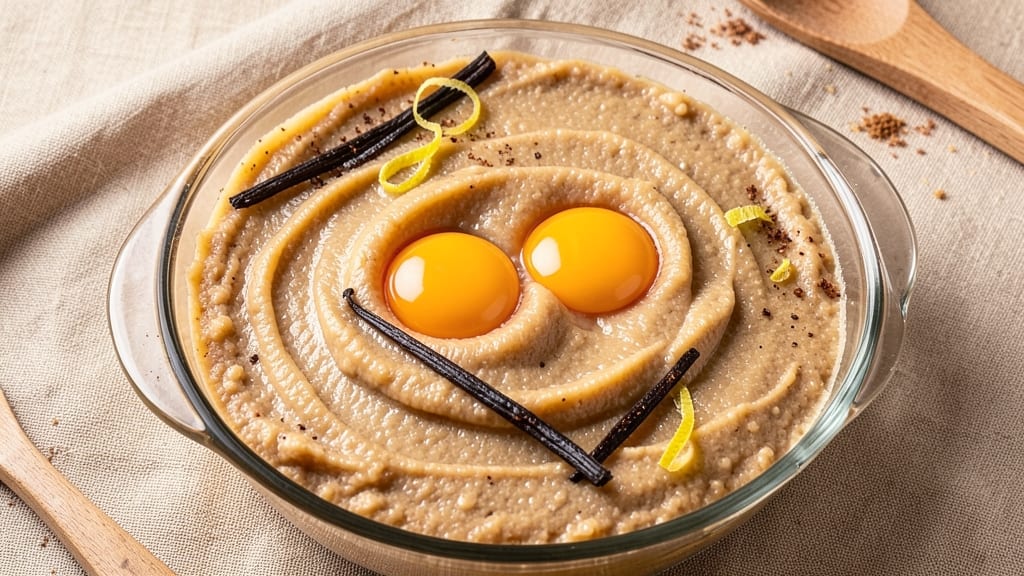
This almond pie filling recipe delivers the perfect balance of nutty richness and velvety vanilla swirls without the dreaded cracking risk. The secret lies in a precise almond-to-butter ratio combined with a gentle baking technique that ensures a smooth, golden finish every time.
I've perfected this version over years of testing, and it's become my go-to for both classic almond pies and modern twists.
The foundation starts with finely ground almonds and a touch of cornstarch to prevent grittiness, while vanilla extract and a hint of almond extract deepen the flavor profile. Butter creates that signature tender crumb, and eggs bind everything together for a filling that's rich yet light.
The key to avoiding cracks? Baking at a moderate temperature and letting the filling cool gradually in the crust.
What you'll end up with is a luscious, golden almond filling with a delicate swirl pattern that looks as impressive as it tastes. The texture is perfectly balanced—moist enough to be creamy but firm enough to hold its shape when sliced.
This recipe works beautifully with either pre-baked or no-bake crusts, giving you flexibility for different pie styles.
For an extra touch of elegance, brush the cooled pie with a simple syrup or dust with powdered sugar before serving. The filling keeps well in the refrigerator for up to 5 days, making it perfect for meal prep or gifting. Let's get started on creating this classic dessert masterpiece.
Ingredients for almond pie filling
Nine simple ingredients transform into a velvety almond filling with perfect swirls and zero cracks.
| Ingredient | Amount | Notes |
|---|---|---|
| Almonds, finely ground 🥜 | 1 ½ cups | Blended until smooth, no grit |
| Unsalted Butter 🧈 | ¾ cup | Cold, cubed for even melting |
| Granulated Sugar 🍚 | ¾ cup | Superfine for smoother texture |
| Cornstarch 🌾 | 2 tbsp | Prevents grittiness from almonds |
| Large Eggs 🥚 | 2 whole | Room temperature for even mixing |
| Pure Vanilla Extract 🌿 | 1 tbsp | High-quality, Madagascar preferred |
| Almond Extract 🥜 | ½ tbsp | For deeper almond flavor |
| Salt 🧂 | ¼ tsp | Fine sea salt preferred |
| Heavy Cream 🥛 | ½ cup | Cold for swirling effect |
| Powdered Sugar 🍚 | 2 tbsp | For dusting finished pie |
The almonds are the star here, so blend them until completely smooth—no grit allowed. I grab raw almonds from the bulk section at Whole Foods (they're cheaper than pre-ground) and pulse them in the food processor until they look like flour. For the butter, cold cubes melt more evenly than softened sticks. The cornstarch is non-negotiable—it's what keeps that filling silky. If you're using store-bought almond flour, sift it first to remove any lumps. The vanilla and almond extracts? Don't skimp—they're what elevate this from good to showstopping.
No vanilla extract? Vanilla sugar works in a pinch—just use half the amount. Out of almond extract? Extra vanilla extract at double the amount gets you close. The heavy cream is key for those beautiful swirls, but if you're making a no-bake version, substitute coconut cream for a dairy-free option. For the sugar, superfine dissolves faster, but if you only have regular granulated, pulse it in the food processor first. And trust me on the powdered sugar—it's not just for dusting. Sprinkling a little into the filling before baking helps create that signature golden crust.
This filling is best made a day ahead—it thickens beautifully when chilled. Store it in an airtight container in the fridge for up to 5 days, though I usually eat it all in one sitting. For a no-bake version, just skip the baking step and let it set in the crust at room temperature for 4 hours. The powdered sugar keeps for months in a sealed container, so buy the fancy kind if you're feeling fancy. And if you're making multiple pies, double the recipe—it's worth it.
Why You'll Love This Recipe
- No Blender Needed: I’ll be real—this filling only needs a food processor or even a sturdy knife if you’re patient. The almonds go from whole to velvety smooth in minutes, and that buttery, golden texture? It’s foolproof once you get the ratio right.
- Rich Without Overpowering: That first bite of warm almond filling—sweet, nutty, and just thick enough to cling to a fork—is exactly what you want. The cornstarch keeps it from turning gummy, and the eggs add that silky richness without tasting like custard.
- Pie or Parfait: Between us, this filling works in pies and as a no-bake dessert with whipped cream or yogurt. I’ve used it to stuff phyllo cups, layer in trifles, and even drizzled over vanilla ice cream. Versatile enough to handle whatever you throw at it.
- Lasts for Days: Make a double batch—it stores perfectly in the fridge for up to five days, and freezes like a dream. The texture stays creamy when reheated, so it’s my go-to for potlucks or lazy weekends when I don’t feel like baking from scratch.
Step-by-step instructions for almond pie filling
Here's how to make a luscious almond filling that stays creamy and crack-free every time.
Blend Almonds to Ultra-Fine Texture
In a food processor, pulse the 1.5 cups almonds, finely ground until completely smooth with no visible grit. This takes about 30-45 seconds of continuous processing. The texture should resemble wet sand when pressed between your fingers—no lumps allowed.
I like to work in batches if needed, especially with older food processors. The reason for this step is simple: any grit from unblended almonds will make your filling taste unpleasant. Test the texture by rubbing a pinch between your fingers—if you can feel any texture, blend a few seconds longer.
Cream Butter and Sugar Together
In a large mixing bowl, combine the 0.75 cup unsalted butter (cold and cubed) with the 0.75 cup granulated sugar. Using a hand mixer on medium speed, beat for 3-4 minutes until light and fluffy. You'll see the mixture nearly double in volume and become pale in color.
This creaming process incorporates air, which prevents the filling from becoming dense. If your butter is too soft, chill the bowl in the freezer for 10 minutes before starting. The butter should hold its shape when pressed—if it smears, it's too warm.
Add Eggs and Flavorings Gradually
Add the 2 whole large eggs one at a time, mixing well after each addition. Then stir in the 1 tbsp pure vanilla extract, 0.5 tbsp almond extract, and 0.25 tsp salt. Mix until completely combined—about 1 minute total. The mixture should look like thick custard.
Here's where the magic happens: the almond extract adds depth, but don't overdo it—just 0.5 tbsp is plenty. If you use imitation vanilla, you'll notice the flavor difference in the final product. The salt balances all the sweetness, so don't skip this step even if you think it's unnecessary.
Incorporate Dry Ingredients
Sift in the 2 tbsp cornstarch and the 1.5 cups finely ground almonds (from Step 1) over the wet ingredients. Using a spatula, gently fold everything together until just combined—you should still see some streaks of flour. Overmixing develops gluten and makes the filling tough.
The cornstarch acts as a thickener and prevents the filling from becoming grainy. If you notice any lumps, press them through a fine-mesh sieve. The mixture should be smooth but still slightly thick—like wet cookie dough. This is the perfect consistency for pouring into your pie crust.
Swirl in the Cream
Gently fold in the 0.5 cup cold heavy cream using a spatula, being careful not to overmix. The cream should create beautiful swirls throughout the filling. Pour the mixture into your pre-baked pie crust, spreading it evenly with a spatula.
For the classic swirl effect, use the back of a spoon to create gentle patterns in the filling. Don't overwork it—just enough to create visual appeal. The cold cream will create those gorgeous marbled patterns when baked. Sprinkle the top with 2 tbsp powdered sugar for that professional finish.
Bake to Golden Perfection
Bake at 350°F for 45-50 minutes until the filling is set but still slightly jiggly in the center. The edges should be golden brown, and the center should look just about done but still slightly underbaked. This ensures a creamy texture when sliced.
I always check doneness by gently shaking the pie—if it wobbles slightly, it's ready. If you bake it too long, the filling will become dry and grainy. Let it cool completely before slicing—this helps the filling set properly and prevents cracking when served.
Pro Tips For Making Almond Pie Filling
- Toast the Almonds First: I learned this the hard way—raw almonds taste bitter and leave a weird aftertaste in the filling. Lightly toast your ground almonds in a dry pan over medium heat for 3-4 minutes until they smell nutty. Let them cool completely before mixing with butter, or the filling will seize up like glue.
- Whisk Eggs Like a Maniac: Overbeaten eggs turn the filling gummy, but underwhisked eggs mean it won’t set properly. Beat the eggs until they’re pale, thick, and ribbon-like—about 2 minutes with a hand mixer. Stop when the ribbon holds its shape for a second, then fold in the rest gently.
- Skip the Boiling Water: I used to dump the filling into boiling water for the water bath, but it’s unnecessary and risks cracking the crust. Just bring a deep baking dish of water to a simmer (180°F/82°C) and place your pie in it—hot enough to cook but not rolling.
- Chill the Filling: Mixing cold butter and eggs first makes the filling smoother and easier to pour. Grate the butter into the egg mixture, then fold in the sugar and almonds last—this keeps the texture silky instead of lumpy. (Yes, even if you’re impatient like me.)
Troubleshooting this dish
Filling Too Thin
If your almond filling spreads too thin during baking, it's likely because you used too much liquid. The 0.5 cup heavy cream is precise—don't substitute with milk or cream cheese.
For a thicker consistency, reduce the cream to 0.375 cup or add 1 tbsp more cornstarch when folding in the dry ingredients. Chill the filling for 30 minutes before baking to help it hold its shape better.
Another common cause is overmixing the eggs and butter. Whip the butter and sugar just until light and fluffy—no need to beat it into ribbons. The filling should be thick enough to hold its shape when dropped from a spoon.
If it's still too runny, let it sit at room temperature for 10 minutes to thicken slightly before baking.
Filling Too Thick
An overly thick filling often results from under-creaming the butter or using too much almond flour. If your mixture resembles dough rather than a pourable batter, whisk in 1-2 tbsp heavy cream to loosen it up.
For a smoother texture, sift the almond flour again to remove any lumps that might be absorbing excess liquid.
If the filling is too stiff to spread evenly, warm the mixture gently in the microwave for 10-15 seconds to soften it slightly. Work quickly to prevent it from setting completely.
The ideal consistency should be like thick pudding—spreadable but not runny. A quick fix is to fold in an extra 1 tbsp vanilla extract to help relax the texture.
Cracking or Shrinking
The dreaded cracks usually appear when the filling cools too quickly or the oven temperature fluctuates. To prevent this, bake at a steady 350°F and avoid opening the oven door during the first 30 minutes of baking.
For extra insurance, brush the hot filling with a simple syrup (equal parts sugar and water) right after removing it from the oven. This creates a protective barrier that prevents cracking.
If cracks do appear, don't panic—they're often just surface-level. For a seamless finish, cover the pie with a thin layer of apricot jam or raspberry preserve after it cools.
Spread it evenly with a spatula, then chill the pie for 2 hours before slicing. The fruit layer will seal the cracks and add beautiful color contrast.
Grainy Texture
Grittiness in your almond filling almost always means the almonds weren't blended finely enough. Pulse them in the food processor until completely smooth—no visible specks should remain. For extra insurance, press the almond mixture through a fine-mesh sieve before mixing with other ingredients.
If you're using store-bought almond flour, sift it twice to remove any lumps.
Another cause can be using too much almond flour. Stick to the 1.5 cups measurement—don't substitute with more for "extra almond flavor." The cornstarch helps prevent grittiness, but if you notice texture issues, add an extra 1 tbsp when incorporating the dry ingredients.
For a smoother finish, blend the almonds with 1 tbsp powdered sugar before adding to the wet ingredients.
Burnt Edges
Dark, burnt edges usually mean your oven runs hotter than the set temperature. To prevent this, place a baking sheet on the lower rack during baking to reflect heat upward. If your pie crust is thin, cover the edges with aluminum foil after 20 minutes of baking.
For extra protection, create a loose tent with foil over the entire pie, leaving the top exposed.
Another trick is to bake the pie on the middle rack instead of the lower one. This helps distribute heat more evenly. If you notice the edges browning too quickly, reduce the oven temperature by 25°F (to 325°F) and add 5-10 minutes to the baking time.
The filling should still reach the perfect set-but-jiggly stage at the center.
Nutrition facts
Frequently asked questions about almond pie filling
Can I make this almond filling without a food processor?
Yes! For ultra-fine almonds, pulse them in batches in a high-powered blender or even a coffee grinder. If you don't have either, toast the almonds first, then grind them in a spice grinder until they resemble fine powder. For a slightly textured but still delicious filling, pulse until you can't see any whole pieces. Just be sure to sift the ground almonds before mixing with other ingredients to remove any remaining grit.
How do I prevent the filling from cracking when cooling?
Cracking happens when the filling cools too quickly. First, bake at a steady 350°F without opening the oven door for the first 30 minutes. After removing from the oven, let it cool completely at room temperature for 1 hour before refrigerating. For extra insurance, brush the hot filling with a simple syrup (equal parts sugar and water) right after baking to create a protective seal.
What's the difference between frangipane and this almond filling?
Frangipane traditionally includes 1 cup flour (this recipe skips it) and often uses walnuts or hazelnuts alongside almonds. This recipe focuses on pure almond flavor with a smoother, creamier texture. Frangipane has a slightly denser, crumbly texture, while this version stays velvety. Both are delicious—frangipane works well for rustic pies, while this version is perfect for elegant desserts.
Can I make this filling ahead of time?
Prepare the filling up to 24 hours ahead and store it in an airtight container in the refrigerator. The flavors deepen overnight, and it thickens slightly, making it easier to work with. When ready to bake, let it sit at room temperature for 30 minutes before pouring into your crust. For no-bake versions, you can even assemble the pie a day ahead and refrigerate until serving.
What's the best way to store leftover almond pie?
Store your almond pie in an airtight container at room temperature for up to 3 days, or refrigerate for up to 5 days. For longer storage, freeze individual slices wrapped in plastic wrap for up to 3 months. To reheat, warm slices at 300°F for 5-10 minutes until just heated through—this preserves the creamy texture better than microwave heating.