
Desserts
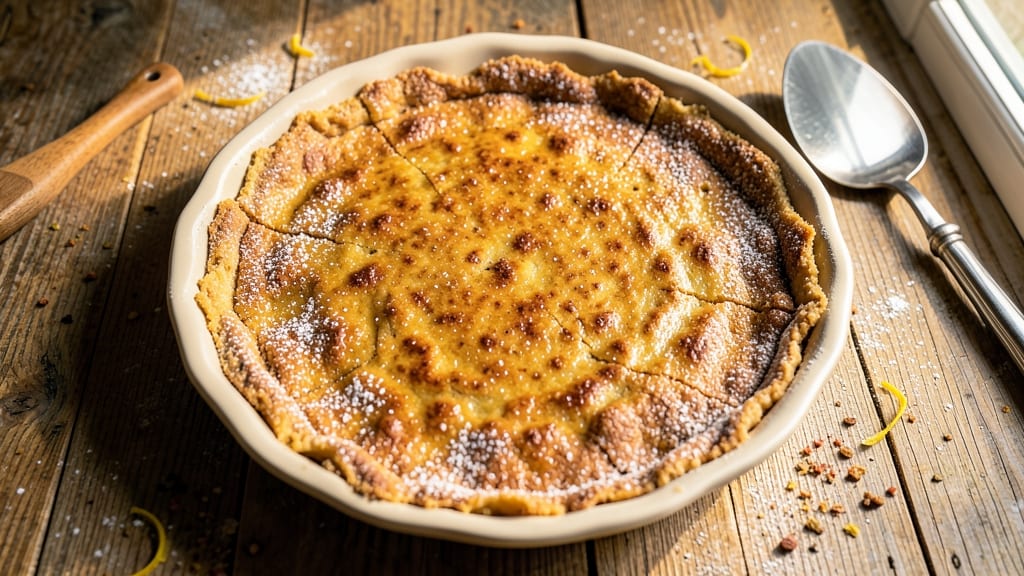
This almond flour butter pie crust recipe delivers the perfect balance of crispiness and buttery richness without the dreaded shrinkage. The secret lies in proper chilling and rolling techniques that create flaky, golden layers every time—ideal for both fruit pies and custard fillings.
After years of perfecting this gluten-free alternative, I've developed a method that rivals traditional flour crusts in texture and flavor.
What sets this recipe apart is its foolproof approach to handling almond flour's unique properties. Unlike regular pie crusts, almond flour requires precise measurement and careful mixing to avoid a dense texture.
The butter-to-flour ratio creates those signature flaky layers, while a touch of xanthan gum ensures structural integrity during baking. This crust handles both pre-baking for custards and blind-baking for fruit pies with equal success.
By following these exact steps—including the critical 30-minute chilling period—you'll achieve a crust that's crisp on the edges yet tender enough to hold delicate fillings without cracking. The nutty flavor from almond flour adds depth that complements both sweet and savory pie fillings beautifully.
Whether you're making a classic apple pie or experimenting with new dessert combinations, this crust provides the perfect foundation.
For those with dietary restrictions, this recipe offers flexibility: simply substitute dairy-free butter for traditional butter while maintaining the same buttery richness. Leftovers store well in the refrigerator for up to 5 days, making it perfect for meal prepping pie components in advance.
The instructions walk you through every step to ensure success, even for beginners working with almond flour for the first time.
Ingredients for almond flour pie crust recipe with butter
Eight ingredients transform into a flaky, golden crust that rivals traditional flour—no shrinkage, all flavor.
| Ingredient | Amount | Notes |
|---|---|---|
| Almond Flour 🌰 | 2 ½ cups | Finely ground, unsweetened |
| Unsalted Butter 🧈 | 1 cup | Cold, cubed, dairy-free for vegan |
| Xanthan Gum 💊 | ¼ tsp | Ensures structural integrity |
| Granulated Sugar 🍚 | 1 ½ tbsp | Balances buttery richness |
| Ice Water 💧 | ½ cup | Cold, for precise mixing |
| Salt 🧂 | ½ tsp | Fine sea salt preferred |
| Vanilla Extract 🌸 | ½ tsp | Pure, for subtle depth |
| Dairy-Free Butter 🧈 | 1 cup | Substitute for traditional butter |
| All-Purpose Flour 🌾 | ½ cup | Optional for extra stability |
| Ground Cinnamon 🌿 | ½ tsp | Enhances nutty flavor |
Almond flour is the star here—Bob’s Red Mill or Anthony’s Goods brands deliver the finest grind for perfect texture. The butter must be cold and cubed; don’t skip chilling it first. For dairy-free versions, Miyoko’s or Earth Balance plant-based butters work beautifully. Xanthan gum is non-negotiable—it’s what keeps this crust from crumbling during blind-baking. If you can’t find it, psyllium husk powder at half the amount is a decent swap, though texture won’t be identical. Measure your almond flour precisely; scooping from the bag packs it down, leading to a dense crust.
No xanthan gum? One extra tablespoon of all-purpose flour helps, but the crust will be slightly less tender. Short on vanilla? Almond extract at half the amount boosts the nutty profile. The sugar isn’t just for sweetness—it caramelizes during baking, creating that golden crust edge. For a savory twist, swap the cinnamon for smoked paprika or garlic powder. If your butter starts to melt during mixing, pop the bowl in the freezer for 10 minutes. This crust handles both fruit pies and custards beautifully—just pre-bake for 15 minutes at 375°F if using a wet filling.
Wrap the dough tightly in plastic and chill for at least 30 minutes before rolling—this is critical for preventing shrinkage. Store unused dough in the fridge for up to 5 days or freeze for 3 months between parchment paper. For pre-baked crusts, blind-bake at 375°F for 15 minutes with pie weights or dried beans. Leftovers? Crumble and bake into pie crust cookies—trust me, they’re amazing. The crust reheats beautifully in a 350°F oven for 8-10 minutes if you’re reviving a pre-baked version.
Why You'll Love This Recipe
- No Mixing Madness: I swear by this crust—just pulse the almond flour, cold butter, and xanthan gum in a food processor until it looks like wet sand. No rolling pins, no stress, and no waiting for dough to rest. Honestly, it’s the only way I’ll bake again after a long day.
- Buttery Crisp Magic: That cold butter in the dough? It melts into golden, shatteringly crisp edges while staying tender inside. Add a pinch of sugar, and suddenly your pie has that buttery-sweet crunch that makes you want to eat the crust first. (Yes, even on a Tuesday night.)
- Pie for Any Occasion: Need a gluten-free option for your daughter’s birthday? This crust handles it. Hosting a dinner party? It’s elegant enough for company but unfussy enough for a lazy Sunday. I’ve used it for apple, chocolate cream, and even a savory galette—it’s my secret weapon.
- Leftovers? More Like Leftovers: This crust keeps beautifully in the fridge for up to a week, and freezes like a dream. I often make two crusts at once—one for the pie, one for backup. No wasted dough, no last-minute scrambling. It’s the kind of recipe that actually saves me money and time.
Step-by-step instructions for almond flour butter pie crust
Here's how to create a perfectly crisp, buttery crust that holds its shape and delivers that golden, flaky magic every time.
Combine Dry Ingredients for Texture Foundation
In a large mixing bowl, whisk together the 2.5 cups almond flour, 0.5 cup all-purpose flour, 1.5 tablespoons granulated sugar, 0.5 teaspoon salt, 0.5 teaspoon ground cinnamon, and 0.25 teaspoon xanthan gum. This dry blend is your structural backbone - the almond flour provides that signature nutty flavor while the xanthan gum prevents shrinkage during baking. I like to use a whisk here to break up any lumps in the almond flour and ensure even distribution of the cinnamon and sugar.
Real talk: don't skip the cinnamon. It might seem subtle, but it enhances the nutty depth and pairs beautifully with the butter. The sugar isn't just for sweetness - it helps create those tiny pockets of steam during baking that lead to that perfect flakiness. Mix these ingredients until they're completely homogeneous, with no visible streaks of flour remaining.
Cut in the Butter for Flaky Layers
Add the 1 cup unsalted butter (or 1 cup dairy-free butter for vegan version) to the dry mixture, cut into small cubes. Using a pastry cutter or your fingers, work the butter into the flour mixture until you achieve pea-sized crumbs with some larger butter pieces remaining. This is crucial - you want some butter pieces to stay larger than ½ inch to create those signature flaky layers when baked.
The reason we don't overmix here is to preserve the butter's integrity. When those larger butter pieces melt during baking, they create steam pockets that separate the layers, giving you that beautiful flakiness. I press down gently on the mixture with my fingers to break up any large clumps, but I resist the urge to fully incorporate everything. You should still see some visible butter pieces when you're done.
Add Wet Ingredients and Form the Dough
Pour in the 0.5 cup ice water and 0.5 teaspoon vanilla extract all at once. Using a fork or your fingers, gently mix just until the dough comes together. The ice water is essential - it keeps the butter from melting prematurely and gives you precise control over the dough's consistency. You want it to hold together when pressed, but not be sticky.
Here's where it gets fun - the dough should be cool to the touch and hold its shape when pressed between your fingers. If it feels too dry, add 1 teaspoon more ice water; if too wet, sprinkle in 1 tablespoon more almond flour. The dough should be pliable but not sticky. Wrap it in plastic wrap and refrigerate for at least 30 minutes - this resting period relaxes the gluten and makes rolling out much easier.
Roll Out and Transfer to Pie Dish
On a lightly floured surface, roll out the chilled dough to a 12-inch circle, about ⅛-inch thick. I use a rolling pin, but I keep it moving constantly to prevent the dough from warming up. The key here is to keep the dough as cool as possible - this prevents the butter from melting and ensures those beautiful flaky layers.
Carefully transfer the rolled-out dough to your 9-inch pie dish, gently pressing it into the corners to create an even base. Trim any excess dough hanging over the edge. The crust should fit snugly in the dish without tearing. For extra insurance against shrinkage, I like to blind-bake this crust for 10 minutes at 375°F before adding filling. This pre-baking step prevents the crust from absorbing too much moisture from your pie filling and ensures it maintains its perfect shape.
Bake to Golden Perfection
Preheat your oven to 375°F. If you blind-baked the crust, remove the weights and bake for an additional 5-7 minutes until the edges are golden brown and the crust is firm to the touch. For a filled pie, bake according to your filling's specific instructions, but aim for the crust to reach an internal temperature of 350°F - this ensures it's fully cooked without burning.
This is the moment that matters: the crust should emerge from the oven with a beautiful golden color, crisp edges, and just the right amount of flakiness. If it's not quite golden enough, return it to the oven for 2-3 minutes until it reaches your desired color. The secret to that perfect balance of crispy and tender lies in the butter - those pockets of melted butter create steam that separates the layers, while the almond flour provides structure that holds everything together.
Pro Tips For Making Almond Flour Pie Crust Recipe With Butter
- CHILL THE BUTTER FIRST: I learned this the hard way—trying to cut cold butter straight from the fridge into almond flour is like mixing sand with ice cubes. Let that butter sit at room temp for about 15 minutes before measuring. It’ll blend smoother and your crust won’t end up greasy or crumbly.
- WEIGH THE ALMOND FLOUR: Scooping almond flour by volume is a disaster—it packs differently every time. Use a kitchen scale for 1:1 accuracy. If you’re in a pinch, spoon it lightly into a measuring cup, then level off with a knife, but don’t press down. Packed flour = dense, dry crust.
- MIX JUST UNTIL COHESIVE: Overworking the dough turns it into almond flour paste. Mix the wet and dry ingredients with a fork or your fingers until it barely holds together—no need for a smooth ball. Overmixing = tough crust. Press it into the pan gently, like tucking in a fussy blanket.
- PRESS WITH A GLASS, NOT YOUR HANDS: Your palms leave uneven pressure and warm the dough, making it stick. Use a wide glass or mug to press the dough into the pie dish—it creates an even, firm base without melting the butter. Pro move: Chill the dough for 10 minutes before pressing if your kitchen’s warm.
Flavor customization for this almond flour pie crust recipe with butter
Sweet Variations
For a caramelized edge, sprinkle 1 tablespoon brown sugar over the crust before baking—it creates a beautiful amber crust. I love adding ½ teaspoon cinnamon to the dough for warmth, or a pinch of cardamom for an exotic twist.
For a chocolate twist, mix 2 tablespoons cocoa powder into the dry ingredients and top with melted chocolate before baking. 🍫
Savory Twists
Swap the cinnamon for ½ teaspoon smoked paprika or garlic powder for a savory crust perfect for quiche or savory tarts. A dash of onion powder adds depth, while rosemary gives a fragrant, herby note.
For a cheesy option, mix in ¼ cup grated Parmesan with the dry ingredients—it crisps beautifully and pairs well with spinach or mushroom fillings.
Spiced & Citrus
Brighten the crust with 1 teaspoon orange zest and a pinch of cayenne for a zesty kick. For a ginger-spiced version, add ½ teaspoon ground ginger and a splash of vanilla extract—it’s perfect for Asian-inspired pies like mango or lychee.
A sprinkle of sea salt on top before baking enhances all the flavors, balancing sweetness or savory notes.
Nutty & Crunchy
Boost texture by folding ¼ cup chopped walnuts or pecans into the dough before rolling. For a toasted nut flavor, lightly toast the nuts first and mix them in. A sprinkle of crushed pistachios on top adds a pop of color and crunch.
If you love hazelnuts, swap almond flour for 2 cups hazelnut flour—it adds a richer, earthier taste.
Dairy-Free Adaptations
Use dairy-free butter (like Miyoko’s or Earth Balance) and replace vanilla extract with vanilla bean paste for extra richness. For a nut-free version, substitute almond flour with sunflower seed flour—it’s neutral in flavor but still binds well.
A splash of almond milk** in place of ice water keeps the dough cohesive without dairy.
Nutrition facts
Frequently asked questions
Why does my almond flour pie crust turn out dense instead of flaky?
Overmixing the dough or skipping the 30-minute chilling time are the most common culprits. The butter needs to stay cold to create steam pockets during baking. Also, make sure you're using finely ground almond flour (not almond meal) and keeping your hands cool when handling the dough. If it feels too dry, add just 1 teaspoon ice water at a time.
Can I make this crust ahead of time?
The dough keeps well in the fridge for 5 days wrapped tightly in plastic. For pre-baked crusts, store them in an airtight container at room temperature for 3 days or freeze for 3 months. Reheat pre-baked crusts at 350°F for 8-10 minutes before adding filling to restore crispness.
What's the best way to handle shrinkage?
Pre-baking the crust for 10 minutes at 375°F with pie weights prevents moisture absorption from fillings. For extra insurance, chill the rolled-out crust for 15 minutes before transferring to the pie dish. The xanthan gum helps, but if you're still seeing shrinkage, try adding 1 extra tablespoon of almond flour to the dough.
How do I adapt this for a vegan diet?
Use dairy-free butter (like Miyoko's) and replace vanilla extract with vanilla bean paste. For binding, add 1 tablespoon ground flaxseed mixed with 2 tablespoons water to the wet ingredients. The crust will maintain its structure while being completely plant-based. Store vegan crusts in an airtight container to prevent moisture absorption.
Can I use this crust for savory pies?
Yes! Swap the cinnamon for ½ teaspoon smoked paprika or garlic powder and add ¼ cup grated Parmesan for extra flavor. This crust works beautifully for quiches or savory tarts. The nutty base pairs well with spinach, mushroom, or cheese fillings. Just be sure to pre-bake for 12-15 minutes to handle any liquid fillings.