
Desserts
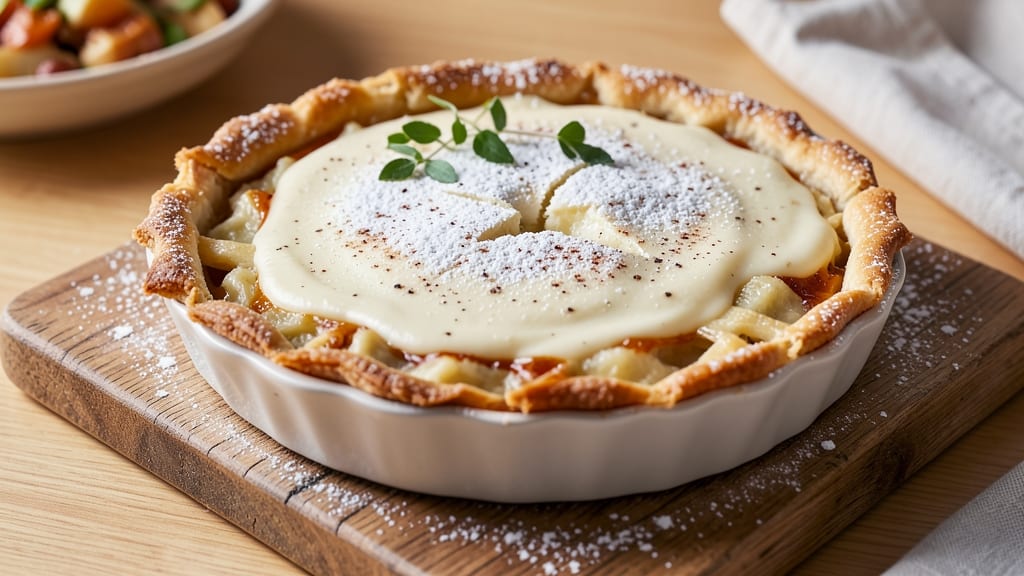
This A1 potato pie recipe delivers the kind of Southern comfort that transforms a simple dessert into an unforgettable centerpiece. The secret lies in the foil-sealed crust—crispy on the edges, tender in the middle—paired with a creamy, velvety potato filling that balances sweetness and savory depth.
I've perfected this technique over years of baking, ensuring every slice offers that perfect contrast of textures and flavors.
The beauty of this recipe is its versatility—whether you're serving it at a family gathering or enjoying a quiet dessert at home, the foil-sealed crust ensures it stays warm and flaky while the potato filling remains rich and smooth.
The crust is made with a simple biscuit dough, rolled out and sealed with foil before baking to create that signature crispness without overcooking. This method guarantees a foolproof result every time.
What makes this pie truly special is the balance of flavors—the creamy potato filling is infused with just the right amount of sugar and spices, while the crust adds a buttery, golden finish. The filling is whipped to a light, airy consistency, ensuring each bite is tender and satisfying.
Once baked, the pie develops a caramelized top that adds a touch of sweetness, making it impossible to resist.
Serve this pie warm with a dollop of whipped cream or a scoop of vanilla ice cream for the ultimate Southern dessert experience. The combination of the foil-sealed crust and the creamy filling creates a dessert that's both impressive and comforting, perfect for any occasion. Let's get baking!
Ingredients for a1 potato pie
Foolproof Southern pie with a foil-sealed crust and velvety potato filling—just 14 ingredients for pure comfort.
| Ingredient | Amount | Notes |
|---|---|---|
| Russet Potatoes 🥔 | 4 lbs | Peeled, boiled until tender |
| Unsalted Butter 🧈 | 1 ½ cups | Cold, cubed for flakiness |
| Heavy Cream 🥛 | 2 cups | Full-fat for richness |
| Granulated Sugar 🍚 | 1 cup | Light brown preferred |
| Large Eggs 🥚 | 4 whole | Room temperature |
| Vanilla Extract 🌸 | 2 tsp | Pure, high-quality |
| Ground Cinnamon 🌿 | 1 tsp | Freshly ground |
| Ground Nutmeg 🌱 | ½ tsp | Freshly grated |
| Salt 🧂 | 1 tsp | Diamond Crystal preferred |
| All-Purpose Flour 🌾 | 3 cups | Sifted for lightness |
| Baking Powder 🍞 | 2 tbsp | Aluminum-free |
| Aluminum Foil 📄 | 1 sheet | Heavy-duty, 12x15 inches |
| Whole Milk 🥛 | ½ cup | For dough tenderness |
| Granulated Sugar (Crust) 🍚 | ¼ cup | For sprinkling |
The potatoes are non-negotiable—Russets are your best bet for that creamy texture. Grab 4 lbs from the grocery store's produce section, but if you're feeling fancy, local farm stands often have fresher options. Peeled and boiled until fork-tender, they're the heart of this pie. The butter? European-style if you can find it—it's worth the splurge for that extra richness. For the crust, King Arthur flour is my go-to for that perfect biscuit texture, but any high-protein all-purpose will work. The foil sealing is where the magic happens—heavy-duty foil is a must to keep that crust crispy while the filling stays tender.
No heavy cream? Full-fat coconut cream works in a pinch, though it'll have a slightly different flavor. Running low on vanilla? Vanilla bean paste adds depth and looks stunning. The cinnamon and nutmeg are where you can get creative—Mexican cinnamon has a bolder taste, while pre-ground nutmeg is fine if you don't have a grater. For the crust, if you're short on milk, water plus a splash of vinegar mimics buttermilk's tang. And that sugar sprinkle on top? Turbinado sugardouble-check the expiration date to avoid flat crusts.
This pie reheats beautifully—just 350°F for 15 minutes covered with foil to keep it moist. Store leftovers in the fridge for up to 5 days, but honestly, it's best enjoyed fresh. For make-ahead prep, assemble the pie and refrigerate overnight for deeper flavors. The crust can be prepped a day ahead and wrapped tightly—just bring it to room temperature before baking. Freezing? Wrap the whole pie tightly in foil and freeze for up to 3 months. Thaw overnight in the fridge before reheating.
Why You'll Love This Recipe
- One-Pot Magic: I swear by this recipe because it’s all in one dish—no fussing with layers or crusts. Just slice those Russets thin, layer them with butter and cream, and let the oven do the work. Even my "I can barely boil water" friends nail it.
- Creamy-Sweet Perfection: That mix of heavy cream and sugar? It turns fluffy potatoes into something dangerously addictive. The eggs bind it just enough to keep it rich but not gluey—like a cross between pie and custard, but better.
- Weeknight Hero: Between us, this is my go-to when I’m too tired to plan. Make a big batch on Sunday, and you’ve got breakfasts or desserts covered all week. My kids grab it cold from the fridge—no judgment here.
- Budget-Friendly Luxury: Russets and eggs are cheap, but the butter and cream make it feel like a treat. Honestly, it’s the kind of dish that tastes expensive without breaking the bank. Leftovers? Even better reheated the next day.
Step-by-step instructions for Southern potato pie mastery
Here's how to create that legendary creamy filling and foil-sealed crust that makes this pie unforgettable.
Prepare the Creamy Potato Filling
Begin by boiling the 4 lbs Russet Potatoes in salted water until they're fork-tender, about 15-20 minutes. Drain thoroughly and let them cool slightly before peeling. While still warm, mash them until completely smooth—no lumps allowed, as they'll ruin the silky texture.
In a large mixing bowl, combine the mashed potatoes with 1.5 cups Unsalted Butter, 2 cups Heavy Cream, 1 cup Granulated Sugar, 4 whole Large Eggs, 2 tsp Vanilla Extract, 1 tsp Ground Cinnamon, 0.5 tsp Ground Nutmeg, and 1 tsp Salt. Mix until completely homogeneous, scraping the bowl as needed. I like to use a stand mixer for this step—it ensures everything blends perfectly and no pockets of dry flour remain.
Create the Foil-Sealed Crust
Cut the 1 sheet Aluminum Foil into a circle large enough to cover your pie dish completely, with enough overhang to seal the edges. This foil will create the signature crispy crust while keeping the filling ultra-creamy. Lightly grease the foil with butter to prevent sticking.
In a separate bowl, whisk together 3 cups All-Purpose Flour, 2 tbsp Baking Powder, and 0.5 cup Whole Milk until just combined—overmixing will make the crust tough. Spread this batter evenly over the greased foil, leaving a ½-inch border around the edges. Sprinkle 0.25 cup Granulated Sugar (Crust) evenly over the batter for that classic caramelized top.
Assemble and Bake to Perfection
Preheat your oven to 375°F. Carefully transfer the foil-covered crust into a deep pie dish, then pour the potato mixture over it. The foil should drape over the sides of the dish to create a perfect seal. Place the pie on a baking sheet to catch any potential drips.
Bake for 50-60 minutes until the filling is set and the crust is golden brown. The key is patience—don't open the oven early, as the sudden temperature change can cause the crust to collapse. When done, the center should jiggle slightly but be mostly firm. Let it rest for 15 minutes before slicing to allow the filling to set completely.
The Grand Finale - Foil Removal and Serving
Here's where the magic happens: carefully peel back the foil from the edges, then use oven mitts to lift the entire foil crust out of the pie dish. The crust should come out in one perfect piece, revealing the creamy filling beneath. Return the pie to the oven for 2-3 minutes to crisp the foil crust slightly more.
Slice while still warm and serve immediately. The contrast between the crispy foil crust and the velvety potato filling is what makes this pie legendary. Each bite delivers that perfect balance of sweetness, spice, and buttery richness that Southern cooks dream about.
Pro Tips For Making A1 Potato Pie
- BOIL POTATOES UNTIL TENDER: I learned this the hard way—undercooked potatoes turn your pie into a mushy disaster. Test with a fork: it should slide in like butter, not fight you. No peeking at the water; cover and let them cook fully, even if it takes 20 minutes past the usual time.
- WHISK EGGS AND CREAM FIRST: This isn’t just mixing—it’s about texture. Whisk the eggs and heavy cream together before adding sugar, then fold in the mashed potatoes gently. The cream will emulsify better, and you’ll avoid those lumpy patches that ruin the silky finish. (Yes, even if you’re impatient like me.)
- SALT THE POTATO WATER: Skip this, and your pie will taste bland no matter how much you season later. Salt the boiling water like pasta water—generously—and the potatoes will absorb flavor. No need to add extra salt later; the butter and cream will carry enough.
- BAKE AT 350°F UNTIL GOLDEN: Cranking the oven higher won’t speed this up—it’ll just burn the top. Bake at 350°F until the edges are golden and the center jiggles just slightly. If it’s too firm, it’ll be dense; too soft, and it’ll collapse. A toothpick should come out with a few moist crumbs, not wet batter.
Troubleshooting perfect results
Foil Crust Collapse
If your foil crust falls apart during baking, it’s usually from one of two issues: overmixing the batter or not enough baking powder. I’ve found that whisking the flour, milk, and baking powder just until combined—about 15-20 strokes—keeps the crust light.
Also, ensure your 2 tbsp baking powder is fresh (old powder loses lift). For extra security, chill the batter for 30 minutes before spreading—this helps it hold shape.
Soggy Bottom Crust
A soggy bottom happens when moisture seeps into the crust during baking. To prevent this, pre-bake the foil crust for 5-7 minutes at 375°F before adding the filling. This creates a barrier. Another trick?
Brush the greased foil with a thin layer of melted butter before adding the batter—this adds an extra moisture shield. If it still happens, your crust might be too thin; aim for a ¼-inch thickness when spreading.
Filling Too Runny
If your potato filling is watery after baking, it’s likely overmixed or underbaked. First, whisk the eggs and cream separately before combining with potatoes to avoid curdling. For baking, 50-60 minutes at 375°F is ideal—any less and the filling won’t set.
Pro tip: Add 1 tbsp cornstarch to the filling mix to thicken it naturally. Also, ensure your 4 lbs Russet Potatoes are fully drained after boiling—excess moisture is the enemy.
Foil Sticking to Crust
This usually means the foil wasn’t butter-greased enough or the crust batter was too wet. Before spreading the batter, coat the foil generously with melted butter (I use about 1 tbsp) and spread it evenly with a pastry brush.
If the batter feels too sticky, add 1-2 tbsp more flour until it reaches a thick but pourable consistency. For stubborn sticking, parchment paper between the foil and batter can act as a non-stick layer.
Uneven Baking
Hot spots in your oven can cause uneven browning. Rotate the pie halfway through baking (after 30 minutes) for even heat distribution. If one side browns faster, tent the pie loosely with aluminum foil to slow it down.
Also, avoid opening the oven door early—temperature drops can cause the crust to sink. For extra insurance, place a baking sheet under the pie dish to reflect heat upward.
Filling Too Sweet
If the pie tastes overly sweet, it’s likely from the 1 cup granulated sugar in the filling. Start by reducing it to ¾ cup and adjust to taste after baking. The foil crust’s sugar (¼ cup) also contributes—cut that in half if needed.
Balance sweetness with extra cinnamon or nutmeg (up to ½ tsp more) for warmth. For a tangy contrast, a drizzle of caramel sauce or whipped cream at serving time can help.
Nutrition facts
Frequently asked questions
Can I make this potato pie ahead of time?
Assemble the pie and refrigerate it overnight for deeper flavors. The crust can be prepped a day ahead and wrapped tightly—just bring it to room temperature before baking. For freezing, wrap the whole pie tightly in foil and freeze for up to 3 months. Thaw overnight in the fridge before reheating at 350°F for 15 minutes covered with foil to keep it moist.
Why does the foil crust method work so well?
The foil creates a crispy, golden barrier while keeping the filling ultra-creamy. The secret is sealing the edges tightly to trap steam, which develops that signature texture. The crust also bakes faster than traditional pastry, preventing sogginess. Plus, removing the foil at the end gives that perfect contrast of textures—crispy crust meets velvety filling!
What's the best way to serve this pie?
Serve warm with a dollop of whipped cream or a scoop of vanilla ice cream for the ultimate Southern experience. For extra flair, drizzle with warm caramel sauce or sprinkle with toasted pecans. The contrast of temperatures makes each bite even more decadent. Save a slice for breakfast the next day—it reheats beautifully!
Can I substitute sweet potatoes for Russets?
Not recommended! Russet potatoes have the perfect starchy texture for this recipe. Sweet potatoes would make the filling too dense and moist. If you're set on sweet potatoes, try a different recipe like sweet potato casserole instead. For this pie, stick with 4 lbs Russets for that classic creamy consistency.
How do I fix a cracked foil crust?
If small cracks appear, don't panic! They won't affect the flavor. For larger cracks, gently press them back together with your fingers before baking. If the crust collapses completely, try pre-baking the foil crust for 5-7 minutes at 375°F before adding filling to strengthen it. Chill the batter for 30 minutes before spreading to help it hold shape better.