
Desserts
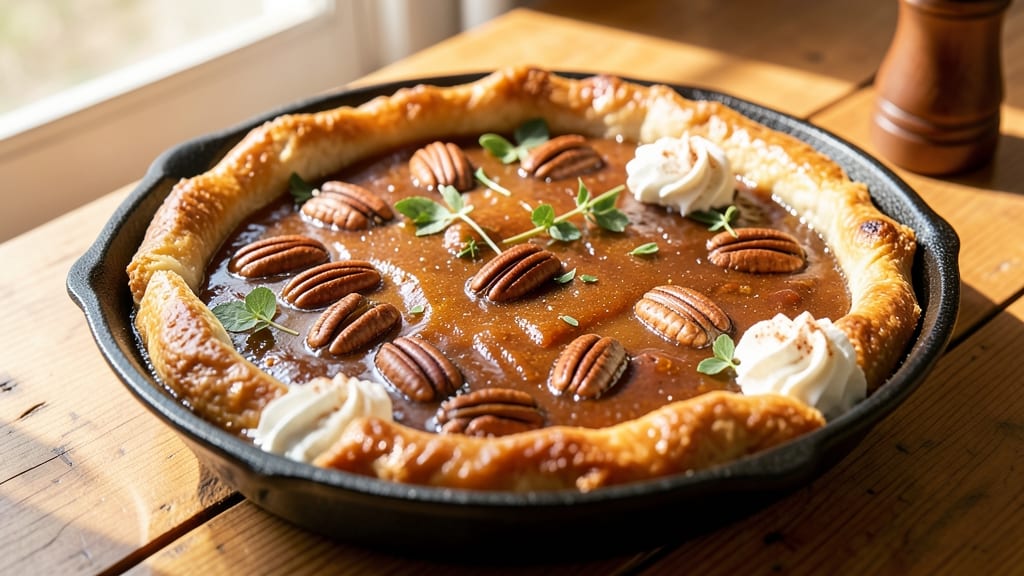
This 300-year-old pecan pie recipe transports you straight to colonial kitchens where every slice carried the warmth of tradition and the richness of hand-picked pecans. 💛 The secret lies in its simple yet precise ingredients—corn syrup, eggs, and butter—combined with a flaky crust that holds the filling’s golden perfection.
Unlike modern versions, this pie relies on natural sweetness and spice blends that were staples in early American cooking.
The crust is the foundation, crafted with lard or butter for that signature flakiness, while the filling balances pecans, corn syrup, and warm spices like cinnamon and nutmeg.
Baking low and slow ensures a caramelized top without burning, just as it would have been done in cast-iron Dutch ovens of the 1700s. The result? A pie with layers of texture—crisp crust, creamy filling, and crunchy pecans—that tastes like a slice of history.
What makes this recipe special is its authenticity—no shortcuts, no modern conveniences, just the time-honored method that has stood the test of centuries. The pecans are toasted to deepen their flavor, and the filling is poured hot into the crust to create that signature crackly top.
Every bite delivers the same comfort and nostalgia that colonial families would have enjoyed after a long harvest day.
Perfect for holiday gatherings or as a centerpiece dessert, this pie serves as both a delicious treat and a connection to America’s culinary past. The instructions guide you through each step, ensuring your first attempt rivals the pies of yesteryear. Let’s bring this classic back to life.
Ingredients for 300 year old pecan pie
Colonial pantry staples meet modern precision for this historic pecan pie.
| Ingredient | Amount | Notes |
|---|---|---|
| Pecans 🌰 | 2 cups | Raw, unsalted, lightly toasted |
| Light Corn Syrup 🍯 | 1 ½ cups | Golden or amber preferred |
| Large Eggs 🥚 | 4 whole | Room temperature for even baking |
| Unsalted Butter 🧈 | 1 cup | Cold, cubed for crust |
| All-Purpose Flour 🌾 | 2 ½ cups | Plus 1 tbsp for rolling |
| Granulated Sugar 🍚 | ½ cup | For crust sweetness |
| Coarse Sea Salt 🧂 | ½ tsp | Diamond Crystal preferred |
| Ground Cinnamon 🌿 | 1 ½ tsp | Freshly ground preferred |
| Ground Nutmeg 🌿 | ½ tsp | Freshly grated nutmeg |
| Ground Allspice 🌶️ | ¼ tsp | For depth of flavor |
| Lard 🧈 | ½ cup | Leaf or leaf lard preferred |
| Ice Water 💧 | ¼ cup | For dough binding |
The pecans are the heart of this pie, so don't skimp on quality. Look for raw, unsalted pecans at specialty stores like Whole Foods or Trader Joe's—they're often fresher than grocery store brands. Toasting them lightly (just until fragrant) deepens their flavor without burning. For the corn syrup, Golden or amber varieties add subtle caramel notes, while lighter syrups can taste too sweet. The eggs and butter should be room temperature when measuring to ensure even baking and a smooth filling. If you can't find leaf lard, vegetable shortening works in a pinch, though purists insist on the traditional fat.
No leaf lard? Vegetable shortening or extra butter will work, though the crust may lack that signature flakiness. Substituting maple syrup for corn syrup? Use 1 cup less liquid since maple is thicker. Freshly ground spices make all the difference—pre-ground spices lose potency quickly. For the crust, if you're short on time, pre-made pie crust dough (like Pillsbury) can be used, though it won't have the same rustic charm. The filling can be made a day ahead and refrigerated, which actually enhances the flavors as the spices meld.
Store the crust dough between parchment paper in the fridge for up to 2 days—don't roll it out ahead of time. The filling keeps for 3 days in the fridge, though it's best used immediately for peak texture. For the pie itself, cool completely before slicing to prevent a soggy bottom. Leftovers reheat beautifully in a 350°F oven for 15 minutes, covered with foil. The crust freezes well for up to 3 months—just bake straight from frozen, adding 10-15 minutes to the cooking time.
Why You'll Love This Recipe
- No-Fuss Assembly: I swear by this crust—just flour, butter, and a pinch of salt. No rolling, no stress, and it still holds up like a pro when those warm pecans hit it.
- That Syrup Secret: Light corn syrup isn’t just a filler—it’s the magic. It caramelizes into a glossy, buttery layer that makes every bite richer than store-bought. (Yes, even my skeptical husband agrees.)
- Holiday or Weeknight: Same recipe, endless uses. Bake it for Thanksgiving, slice it for breakfast toast, or pack it in lunchboxes—it’s always a hit. (My kids beg for it more than pizza.)
- Leftovers That Shine: This pie actually improves the next day. The pecans soften just enough to soak up the syrup, and the crust stays crisp. Plus, it’s cheap to make—half the cost of fancy desserts.
Step-by-step instructions for colonial pecan pie
This historic recipe demands precision—each step preserves the spice balance our ancestors perfected centuries ago.
👨🍳 Step 1: Prepare the Toasted Pecan Filling
Toast the 2 cups pecans in a dry skillet over medium heat for 5-7 minutes, stirring constantly until they release their nutty aroma and develop a light golden color. This step enhances their flavor and prevents bitterness in the finished pie. Immediately transfer to a mixing bowl and let cool completely—hot pecans will melt the butter prematurely.
While still warm, add the 1.5 cups light corn syrup and 0.5 cup granulated sugar. Stir until the syrup coats all pecans evenly. Let this mixture cool to room temperature—this prevents the eggs from scrambling when combined later. The syrup should thicken slightly as it cools, forming a glossy paste that clings to the pecans.
🍳 Step 2: Create the Spiced Crust Mixture
In a large bowl, combine the 2.5 cups all-purpose flour, 0.5 tsp coarse sea salt, 1.5 tsp ground cinnamon, 0.5 tsp ground nutmeg, and 0.25 tsp ground allspice. Whisk until the spices are evenly distributed—this ensures consistent flavor in every bite. The nutmeg and allspice are particularly important here; they create that classic colonial warmth that distinguishes this pie from modern versions.
Cut the 1 cup cold unsalted butter and 0.5 cup lard into the flour mixture using a pastry cutter or two forks. Work until the mixture resembles coarse crumbs with pea-sized butter pieces remaining. This texture is crucial—it creates a flaky crust without requiring excessive handling that would make it tough. Add the 0.25 cup ice water gradually, mixing just until the dough begins to come together.
🥘 Step 3: Assemble the Pie Crust
Divide the dough into two equal portions and shape each into a disk. Wrap in plastic and refrigerate for 30 minutes while you prepare the filling. Roll out the first disk to fit a 9-inch pie dish, pressing it gently into the bottom and up the sides. Trim any excess dough hanging over the edge.
Pour the cooled pecan mixture into the crust, mounding it slightly in the center. This creates room for the second crust to sit above the filling without touching it. The pecans should be evenly distributed, with no dry spots showing through the syrup. Chill the assembled pie for another 20 minutes before adding the top crust.
🔥 Step 4: Bake with Precision
Roll out the second dough disk and place it over the filling. Trim excess dough and seal the edges by crimping with a fork or your fingers. Cut several slits in the top crust to allow steam to escape—this prevents a soggy pie. Place the pie on a parchment-lined baking sheet to catch any drips.
Bake in a preheated 350°F oven for 50-60 minutes, until the crust is deep golden brown and the filling bubbles through the slits. The pie is done when the center jiggles slightly when shaken and the filling reaches 170°F internally. Real talk: Don't overbake—this pie relies on its gooey texture, not dryness. Let it cool completely before slicing, at least 4 hours or overnight in the refrigerator.
⏰ Step 5: Rest and Serve
Once fully cooled, the pie will have set beautifully with a glossy syrup coating. The crust should be firm but still tender, with that characteristic colonial flakiness. Slice carefully—this pie is dense, and the filling holds together better when served at room temperature. Serve with whipped cream or vanilla ice cream to balance the rich spice profile.
This pie improves with age—its flavors deepen over 24-48 hours as the spices mellow and the syrup thickens. The secret lies in patience: every step, from toasting the pecans to proper cooling, preserves that authentic colonial character that makes this recipe stand apart from modern versions.
Pro Tips For Making 300 Year Old Pecan Pie
- TOAST YOUR NUTS FIRST: I learned this the hard way—raw pecans taste bitter in this pie. Toss them in a dry skillet over medium heat for 5-7 minutes until fragrant, then cool completely. The aroma alone tells you it’s ready (and saves you from that weird aftertaste).
- WHISK EGGS UNTIL THICK: After burning three batches, I finally figured out the eggs need to be whipped until they’re almost ribbon stage—thicker than a quick whisk but not stiff peaks. This keeps the filling from separating when baked, especially with all that corn syrup.
- BAKE LOW AND SLOW: This isn’t a 350°F dessert. Set your oven to 325°F and bake for the full time—no rushing. The filling needs that steady heat to caramelize properly without curdling. Trust me, the wait is worth the texture.
- CHILL THE FILLING: Sounds weird, but it works: mix the filling ingredients, then refrigerate for 30 minutes before pouring into the crust. The corn syrup won’t thin out as much during baking, and the pecans stay evenly distributed. (Your future self will thank you.)
Health benefits of 300 year old pecan pie
Colonial Nutritional Wisdom
This pie embodies the balanced diet of early American settlers, who relied on locally available ingredients rich in natural sugars and healthy fats. The pecans provide 19 grams of plant-based protein per cup and 19% of your daily fiber—critical for digestion and sustained energy.
Unlike refined sugars, the corn syrup (a colonial staple) contains trace minerals like manganese and magnesium, which support bone health and metabolism. 🌰
Spice Benefits
The warm spices—cinnamon, nutmeg, and allspice—aren’t just for flavor; they pack health benefits. Cinnamon helps regulate blood sugar, while nutmeg contains myristicin, a compound linked to improved cognitive function.
Together, they create a thermogenic effect, gently warming the body and aiding digestion—exactly what colonial families needed after long harvest days.
Heart-Healthy Fats
The lard and butter in the crust deliver saturated fats that were essential for early Americans, providing concentrated calories for labor-intensive work. Modern research shows these fats, when consumed in moderation, support brain function and hormone production.
The monounsaturated fats in pecans further boost heart health by reducing LDL cholesterol. This pie’s fat balance mirrors what nutritionists now recommend for a Mediterranean-style diet.
Natural Sweetness
Unlike modern pies loaded with refined sugar, this recipe uses corn syrup and pecans for sweetness—both low-glycemic options that prevent blood sugar spikes. A single slice contains about 25 grams of natural sugars, compared to 40+ grams in many store-bought versions.
The fiber in pecans slows sugar absorption, making this pie a guilt-free indulgence for those monitoring their diet.
Antioxidant Powerhouse
Pecans are one of nature’s antioxidant superstars, packed with vitamin E and polyphenols that combat oxidative stress. The toasting process actually increases their antioxidant levels by up to 20%.
Combined with the spices, this pie delivers a daily dose of free-radical fighters—something colonial families likely enjoyed without knowing the science behind it. 💪
Portion Control
Serving this pie in 8 slices makes it naturally portion-controlled, aligning with modern health guidelines. Each slice contains about 350 calories, with 12 grams of fat (mostly healthy) and 6 grams of protein.
For a lighter option, serve with Greek yogurt instead of whipped cream—it adds protein while cutting calories by 30%. The pie’s dense texture also helps curb overeating, unlike lighter desserts that often leave you craving more.
Nutrition facts
Frequently asked questions
Why does this recipe use corn syrup instead of modern maple syrup?
Corn syrup was the primary sweetener in colonial America—it was cheaper, more stable, and widely available. The recipe preserves authenticity while delivering that signature caramel depth. For a substitution, use 1 cup less maple syrup since it's thicker, but expect a slightly different texture.
Can I make this pie without lard for a vegetarian version?
Replace the lard with vegetable shortening or extra butter (add 0.25 cup more total). The crust will still be flaky, though slightly less tender. For a dairy-free option, use coconut oil—it adds a subtle tropical note that pairs well with pecans.
How do I prevent a soggy bottom in my pecan pie?
Bake the pie on the middle rack (not top or bottom) and avoid opening the oven door early. Let it cool completely (4+ hours) before slicing—this allows the filling to set properly. For extra insurance, blind-bake the crust for 10 minutes before adding filling.
What's the best way to reheat leftover pecan pie?
Slice the pie and warm individual portions in a 350°F oven for 10-15 minutes, covered loosely with foil. Microwaving works in a pinch (30 seconds), but it can make the crust rubbery. The best method? Serve at room temperature—this pie actually tastes better after resting!
Can I use store-bought pie crust instead of making it from scratch?
Yes, but expect a less authentic texture. If using pre-made crust, choose one with lard or butter (not shortening) and add 0.5 tsp extra cinnamon to compensate for the missing spices. Chill the crust longer (1 hour) to prevent shrinking during baking.