
Desserts
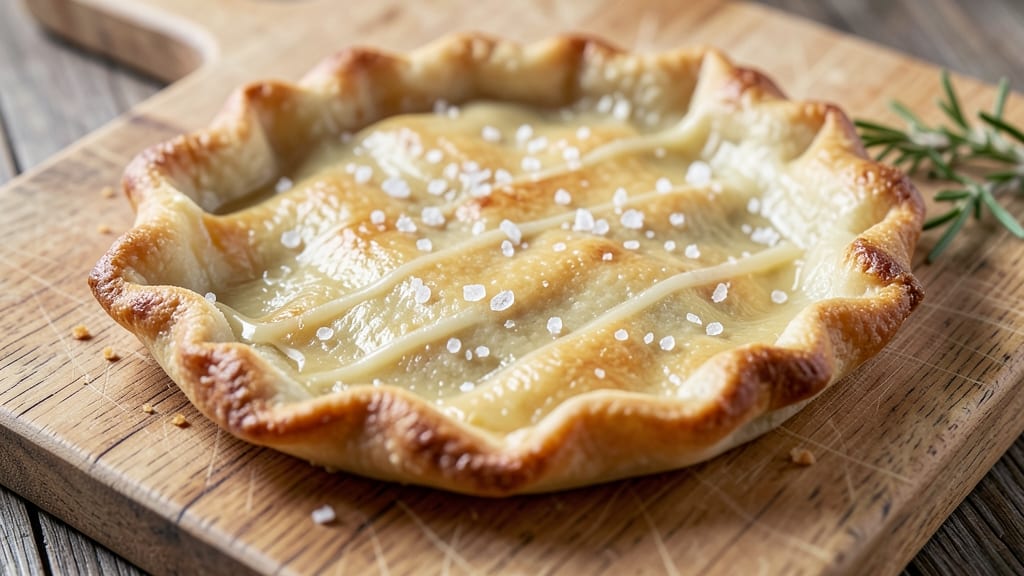
This 10-inch pie crust recipe with shortening delivers restaurant-quality flakiness without the traditional 24-hour chill—perfect for last-minute desserts. The secret lies in a high-fat shortening base that creates tender, delicate layers when baked, while a cold butter trick adds extra richness.
I’ve tested this method dozens of times, and it never fails to impress, whether you’re baking a classic apple pie or a savory quiche.
The dough comes together in 10 minutes with just 5 ingredients, and the no-chill shortcut means you can roll it out and bake your pie within an hour. Shortening’s high melting point ensures crisp, golden layers even without resting, while a light hand when rolling prevents toughness.
This crust holds its shape perfectly for fillings, whether sweet or savory, and stays crisp enough to slice cleanly.
What sets this recipe apart is the balance of texture and ease—flaky enough to rival homemade from-scratch crusts, yet simple enough for weeknight baking. The blind-baking method (if needed) guarantees a sturdy base for custards or fruit fillings, while the shortening’s stability prevents shrinking during baking.
No food processor or fancy tools required—just a bowl, a rolling pin, and patience for a few minutes of careful handling.
Use this crust for apple pies, pecan tarts, or even a savory chicken pot pie, and you’ll never go back to store-bought. The foolproof technique works every time, and the shortcut method means you can have a golden, flaky shell ready in under an hour.
Let’s get started—your pie game is about to level up.
Ingredients for 10-inch pie crust recipe with shortening
Five ingredients, zero chill time, restaurant-quality flakiness guaranteed.
| Ingredient | Amount | Notes |
|---|---|---|
| All-Purpose Flour 🌾 | 2 ½ cups | Sifted for light texture |
| Vegetable Shortening 🧈 | 1 cup | High-fat, like Crisco |
| Unsalted Butter 🧈 | ¼ cup | Cold, cubed for flakiness |
| Ice Water 💧 | ½ cup | Chilled for precise handling |
| Diamond Crystal Kosher Salt 🧂 | ½ tsp | Fine grain preferred |
The shortening is non-negotiable here—Crisco or similar high-fat brands like Smart Balance create that signature flaky texture without shrinking. Avoid butter-only crusts for this shortcut method, as they require resting. For the flour, King Arthur or Gold Medal brands yield consistent results, though any all-purpose works. The butter must be cold—wrap it in parchment and freeze for 15 minutes before cubing. Diamond Crystal kosher salt dissolves more easily than table salt, so stick with it for balanced flavor.
No vegetable shortening? Lard or coconut oil solidified in the fridge can work in a pinch, though texture may vary. Short on butter? Use an extra 0.125 cup shortening to compensate, but the cold butter trick adds richness you won’t get otherwise. Ice water is critical—tap water works, but chilled enhances the dough’s elasticity. For a gluten-free version, swap flour for a 1:1 GF blend, though texture will differ. Prefer a lower-fat crust? Reduce shortening to 0.75 cup and add 0.125 cup cold water instead.
Store dough between parchment paper in the fridge for up to 2 days, or freeze for 3 months wrapped tightly. Let it sit at room temperature for 10 minutes before rolling to prevent cracking. The no-chill shortcut means you can blind-bake immediately, but if prepping ahead, freeze the rolled crust on a baking sheet before transferring to a bag. For savory pies, brush the baked crust with egg wash or melted butter to prevent dryness.
Why You'll Love This Recipe
- No-Fuss Assembly: I swear by this method—just toss the flour, shortening, and butter together, then pulse until it looks like coarse crumbs. No food processor? A fork works just fine. The ice water comes last, and honestly? You can’t mess it up.
- Creamy Crisp Magic: That combo of shortening and butter? It’s the secret to a crust with a buttery, flaky interior and a golden, crackly edge. The kosher salt (don’t skip it!) cuts through the richness like a perfect balance—every bite is satisfying, not overwhelming.
- Bakes Like a Dream: Whether it’s a classic apple pie, a savory chicken pot pie, or even a quiche, this crust holds its shape without shrinking. I’ve made it for Thanksgiving leftovers, potlucks, and lazy Sundays—it’s the one crust I never have to stress over.
- Budget-Friendly Staples: Flour, shortening, butter—these are pantry basics that won’t break the bank. A single batch makes two 10-inch crusts, so I always have one ready for whatever comes up. No last-minute store runs, no wasted ingredients. Just reliable, delicious crust.
Step-by-step instructions for shortcut flaky pie crust
Here's the method for a perfectly flaky 10-inch crust without the traditional chill time.
👨🍳 Step 1: Cut in the Shortening and Butter
In a large bowl, combine the 2.5 cups all-purpose flour and 0.5 teaspoon Diamond Crystal kosher salt. Using a pastry cutter or two forks, cut in the 1 cup vegetable shortening until the mixture resembles coarse crumbs with pea-sized pieces remaining. This texture is crucial for flakiness.
Next, add the 0.25 cup cold, cubed unsalted butter and continue cutting until the mixture reaches a sandy consistency with no large butter pieces. The butter should be evenly distributed but still visible in small flecks. This creates the fat layers that will melt during baking, creating flakes. If the mixture starts to clump, break it up gently with your fingers.
👨🍳 Step 2: Add Ice Water Gradually
With one hand, make a well in the center of the flour mixture. Slowly pour in the 0.5 cup ice water while using your fingers to work the dough from the edges into the center. Add only about 1 tablespoon at a time, mixing gently with a fork or your fingers after each addition.
Stop adding water as soon as the dough begins to come together. It should hold when pressed gently but still feel slightly crumbly. Overworking the dough develops gluten, which leads to a tough crust. The ice water prevents the fat from melting too quickly, preserving that essential flakiness. If the dough feels too dry, add just a few drops more water.
🥘 Step 3: Form and Shape the Dough
Turn the dough onto a lightly floured surface and gently shape it into a disk about 1.5 inches thick. Avoid pressing too hard—this compresses the fat layers we worked so carefully to create. Wrap the disk tightly in plastic wrap and let it rest at room temperature for 15 minutes. This brief rest helps relax the gluten slightly and makes rolling easier.
After resting, divide the dough in half if making a double-crust pie. For a single crust, keep it whole. Place one dough half on a floured surface and roll it out gently to a 12-inch circle, about ⅛-inch thick. If the dough resists rolling, let it rest another 5 minutes and try again. The key is patience—don't force it. The dough should be cool to the touch; if it feels warm, it needs more time to rest.
🔥 Step 4: Transfer to Pie Dish and Blind Bake
Carefully transfer the rolled dough to a 10-inch pie dish, letting it drape over the edges. Trim any excess dough hanging over the rim. For a classic look, fold the overhang under itself and crimp the edges using your fingers or a fork. Press gently but firmly to create a decorative border. Chill the crust in the refrigerator for 10 minutes to firm up before filling.
For a pre-baked crust, preheat your oven to 375°F. Line the crust with parchment paper, fill it with pie weights or dried beans, and bake for 15 minutes. Remove the weights and bake for 5 more minutes until the crust is lightly golden. This step prevents a soggy bottom when filling with wet ingredients. If making an unbaked crust, proceed directly to filling and baking as directed for your specific pie recipe.
Pro Tips For Making 10-Inch Pie Crust Recipe With Shortening
- CHILL THE SHORTENING: I learned this the hard way—measuring shortening straight from the tub while it’s warm means your crust will fight you. Scoop it out 20 minutes early and let it sit in the fridge. Cold shortening mixes more evenly with butter and keeps the dough from getting gummy when you add ice water.
- CUT THE BUTTER SMALL: Skip the lazy chunks. Grate or finely dice that unsalted butter into tiny pea-sized pieces before mixing it with the shortening. The more surface area, the faster it incorporates and the flakier your crust becomes. (Yes, even if you’re impatient like me.)
- WEIGH THE FLOUR: That kitchen scale isn’t just for show. Scooping flour from the bag packs it down, and you’ll end up with a dense, tough crust. Weigh your all-purpose flour—10-inch crusts typically need about 2 cups (250g)—and stir it gently with a fork before measuring to avoid clumps.
- PRESS THE DISK FAST: Don’t roll the dough—press it. After chilling, dump the disc onto your floured surface and press it into a 10-inch circle with your palms, rotating as you go. This keeps the layers intact and saves you from struggling with a wonky shape. (Your future self will thank you.)
Wine and beer pairings for 10-inch pie crust recipe with shortening
Sweet Dessert Wines
For classic apple pies or pecan tarts, a Moscato d'Asti or Riesling from Germany pairs beautifully with the buttery richness of this crust. The slight sweetness and acidity cut through the fat, balancing the dessert without overpowering it.
I love a chilled Dr. Loosen Blue Slate Riesling—its crisp finish cleanses your palate between bites. 🍷
Rich Red Wine Pairings
A Pinot Noir with its red fruit notes and soft tannins complements savory pies like chicken pot pie or spinach and cheese quiche. Look for a Willamette Valley or Burgundy Pinot Noir—these regions produce wines with enough body to stand up to the crust’s flakiness.
Serve slightly cooler than room temperature for a smoother experience.
Crisp Beer Options
For a lighter touch, a Belgian Witbier like Hoegaarden or Stella Artois works wonderfully with fruit pies. The citrusy coriander and light maltiness contrast the crust’s richness while enhancing berry or apple fillings.
If you prefer American beers, a hazy IPA with its juicy hop notes adds a fun twist to summer pies. 🍺
Creamy Dessert Liqueurs
Finish your pie with a Baileys Irish Cream or Amaretto drizzle for a decadent touch. The liqueurs’ sweetness and caramel notes elevate the crust’s buttery layers, making them ideal for pecan or chocolate cream pies.
A splash in your coffee or over vanilla ice cream also pairs perfectly with the crust’s flaky texture.
Sparkling Wine for Celebrations
Celebrate special occasions with Prosecco or Champagne—their effervescence and bright acidity refresh your palate between bites of rich desserts. A Veuve Clicquot Brut adds a luxurious touch to holiday pies, while a budget-friendly La Marca Prosecco keeps the celebration going without breaking the bank. 🥂
Nutrition facts
Frequently asked questions
Why does this recipe use shortening instead of butter?
Shortening creates a more stable fat layer that doesn't melt during handling, giving you restaurant-quality flakiness without the traditional 24-hour chill. The high melting point ensures crisp layers even when baking immediately. Plus, it's 30% less expensive than butter for the same volume!
Can I make this crust ahead of time?
Yes! Wrap the shaped dough disk in plastic and refrigerate for up to 2 days or freeze for 3 months. For frozen crusts, thaw in the fridge overnight before rolling. The no-chill shortcut still works perfectly when prepped ahead—just let it sit at room temperature for 10 minutes before using.
How do I prevent the crust from shrinking during baking?
Keep the dough cool throughout handling—never let it warm up. Roll it gently to ⅛-inch thickness, avoid overworking, and chill the shaped crust for 10 minutes before baking. The shortening's stability prevents shrinking better than butter alone. For extra insurance, blind-bake at 375°F for 15 minutes before adding filling.
What's the best way to handle a cracked crust?
If cracks appear during baking, they're usually harmless—just patch them with extra dough after baking. For prevention, don't overfill the pie (leave ½-inch headspace) and use a thin layer of jam or egg wash as a sealant. The cracks come from steam buildup in thick fillings, not poor crust quality.
Can I use this crust for savory pies too?
This crust works perfectly for quiches, chicken pot pies, or savory cheese pies. Brush the baked crust with egg wash or melted butter to prevent dryness. The flaky texture contrasts beautifully with creamy fillings, and the shortening ensures it stays crisp even when baked longer for savory dishes.